How To Store a Boat Outside in Winter: Surviving Green Bay’s Weather

Winter in Green Bay is cold, wet, windy, and perfectly willing to freeze anything you forget to protect. Snow piles up, temperatures swing wildly, and lake effect moisture finds its way into places it should not be. If you plan to store your boat outside through winter, preparation is not just helpful, it is essential.
The good news is that outdoor boat storage can work in Wisconsin when it is done correctly. The bad news is that mistakes tend to show up in spring with cracked hoses, dead batteries, and repairs you were not planning to budget for. This guide breaks down exactly how to store a boat outside during winter in a climate like Green Bay so it stays protected, functional, and ready when the ice finally gives up.
Before we jump in, we have other useful guides on other items you can successfully store in winter, and your storage options in Green Bay. So be sure to check those out as well. Ok, let's keep your boat safe and protected during winter! Here’s how:
Begin With a Deep and Purposeful Cleaning
Before winter storage begins, your boat needs more than a quick rinse. Dirt, algae, fish residue, and road grime all hold moisture, and moisture is the root of most winter storage problems. Wash the hull thoroughly using a marine safe soap and pay special attention to seams, hardware, and textured surfaces where grime collects.
Inside the boat, remove everything that did not come permanently installed. Food crumbs, drink spills, paper products, and fabric items all attract moisture and pests. Vacuum carpets and upholstery, then wipe down hard surfaces with a mild cleaner. Leave storage compartments open for a day or two so trapped moisture can escape before everything is sealed up. Mold does its best work when given time and darkness.
Winterize the Engine With Cold in Mind
Green Bay winters bring sustained freezing temperatures, not just the occasional cold night. That makes engine winterization one of the most important steps in the entire process. Any water left inside the engine or cooling system can freeze, expand, and crack metal components without warning.
Flush the engine according to manufacturer specifications and drain all water completely. Use marine grade antifreeze where required and never substitute automotive products. Stabilize the fuel with a product designed for ethanol blended gas and then run the engine briefly to circulate it through the system. Change the oil before storage to remove contaminants that can cause corrosion while the engine sits idle for months.
Drain Every System That Holds Water
Water does not belong in a stored boat during a Wisconsin winter. Drain live wells, bilges, ballast tanks, washdown hoses, sinks, showers, and any onboard plumbing. Freezing water does not negotiate. It expands and breaks things.
After draining, check low points where water tends to hide. Tilt the trailer slightly bow up to help gravity move remaining water toward drains. Activate pumps manually to clear residual moisture. Leave drain plugs out when appropriate. This step takes time, but it prevents springtime discoveries that come with price tags attached.
Choose a Cover That Can Handle Snow and Wind
A proper boat cover is mandatory for outdoor winter storage in Green Bay. Snow accumulation, freezing rain, wind, and airborne debris all work against exposed boats. A high quality, breathable marine cover protects the boat while allowing moisture to escape.
Avoid flat or poorly fitted covers that allow snow to pool. Use a support system to create a peaked shape so snow slides off instead of piling up. Secure the cover tightly using straps or tie downs rated for winter conditions. Wind off the bay has a habit of testing weak attachments at the worst possible time.
Position the Boat and Trailer for Long Term Storage
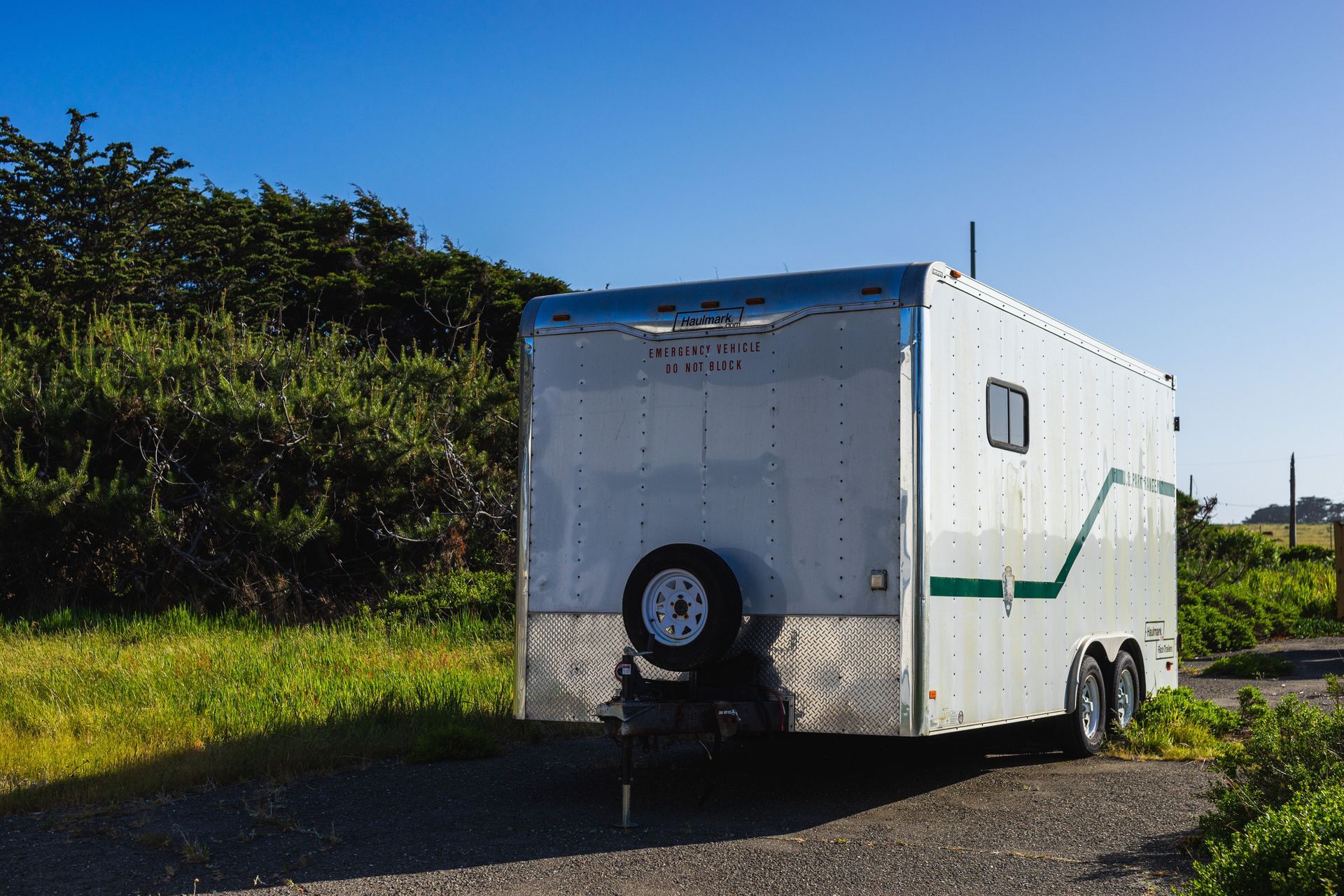
How your boat sits for several months matters more than most people realize. The boat should be level or slightly bow up to promote drainage. Trailer tires should be properly inflated to prevent flat spots and sidewall damage.
If possible, support the trailer frame with blocks or jack stands to reduce stress on suspension components. Store the boat on a surface that drains well so melting snow does not leave it sitting in water. Standing moisture accelerates rust and shortens the life of trailer components. A stable setup now saves effort later.
Remove Batteries and Protect Electronics
Cold temperatures are not kind to batteries. Leaving them in the boat through winter often results in reduced capacity or complete failure. Remove all batteries and store them in a dry location where temperatures remain above freezing. Fully charge them before storage and check them periodically during winter.
Portable electronics should also come out. Fish finders, GPS units, radios, and removable screens are vulnerable to extreme cold and temperature swings. Store them indoors in a dry space. Electronics prefer stability, and winter outside provides none of that.
Manage Moisture and Keep Pests Out
Moisture control inside the boat is critical during winter storage in a humid cold climate like Green Bay. Use moisture absorbing products designed for enclosed spaces and place them in cabins, compartments, and storage lockers. These products pull moisture from the air and help prevent mildew and odors.
Rodents are a serious concern during winter. Mice look for warmth and shelter, and boats provide both. Use deterrents such as peppermint oil soaked cotton balls or commercial rodent repellent packs placed throughout the boat. Seal obvious entry points when possible and remove anything that could be used as nesting material. Avoid poison, as rodents may die in inaccessible areas and create a problem you really do not want to discover later.
Check on the Boat During the Winter
Outdoor storage does not mean ignoring the boat until spring. After heavy snow or wind storms, inspect the cover for sagging, tears, or loose straps. Remove excess snow if accessible to prevent unnecessary strain on the cover and frame.
Look for signs of moisture buildup or pest activity when possible. Replace moisture absorbers as needed and adjust cover supports if snow loads have shifted them. A few short check ins throughout winter can prevent months of damage.
The Storage Location Makes a Difference
Even perfect preparation benefits from the right storage environment. A secure, well maintained storage facility offers protection that a driveway or open lot cannot. Proper drainage, controlled access, and adequate spacing reduce risks from weather, theft, and accidental damage.
That said, storing a boat outside in winter is not the only option in Green Bay. For boat owners who want maximum protection, indoor storage eliminates nearly every winter risk at once.
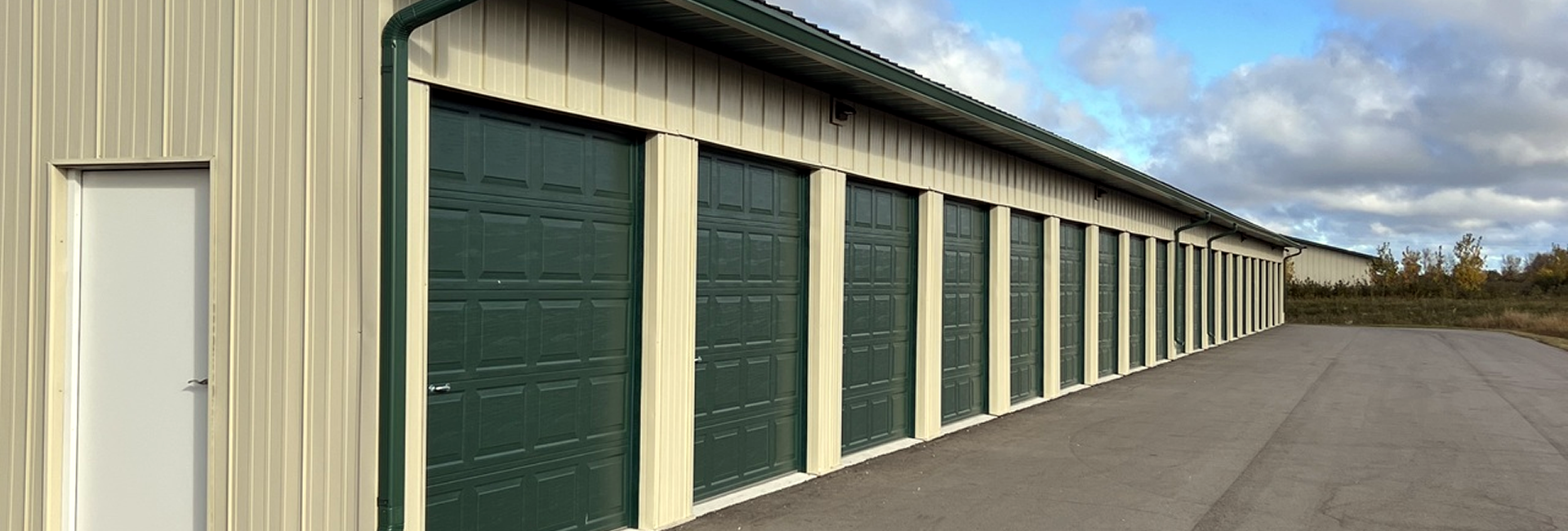
At Pleasant Valley Storage in Green Bay, boat owners have access to storage units large enough to accommodate boats, along with available electricity inside the units. That means no snow load, no wind exposure, and the ability to maintain batteries or equipment during storage. Instead of worrying about winter damage, you can store your boat indoors and focus on looking forward to the next boating season.
Proper winter storage protects your investment and saves time, money, and frustration when spring finally arrives. Whether you choose outdoor preparation or indoor storage, having the right plan and the right facility makes all the difference.