How to Store Your RV
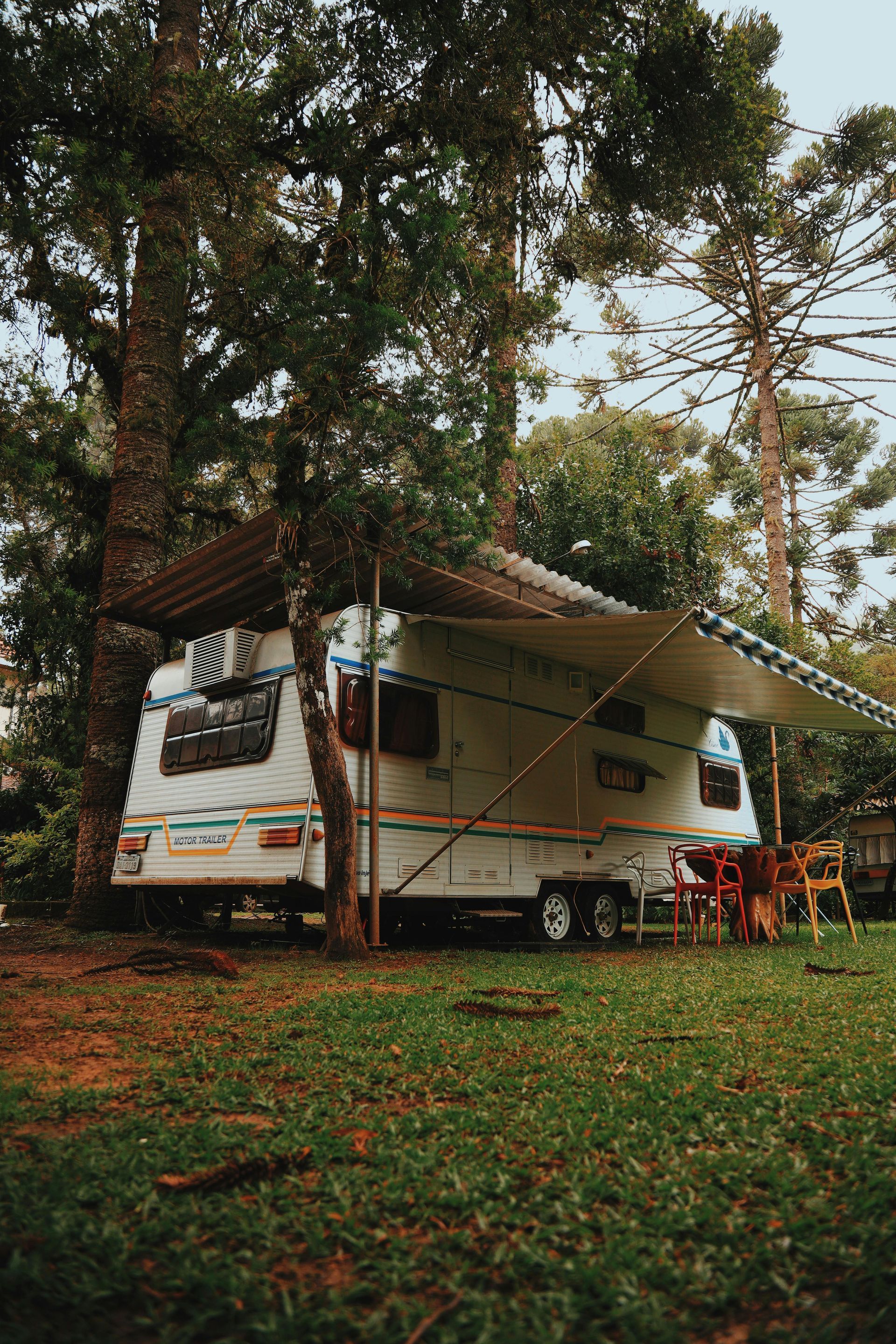
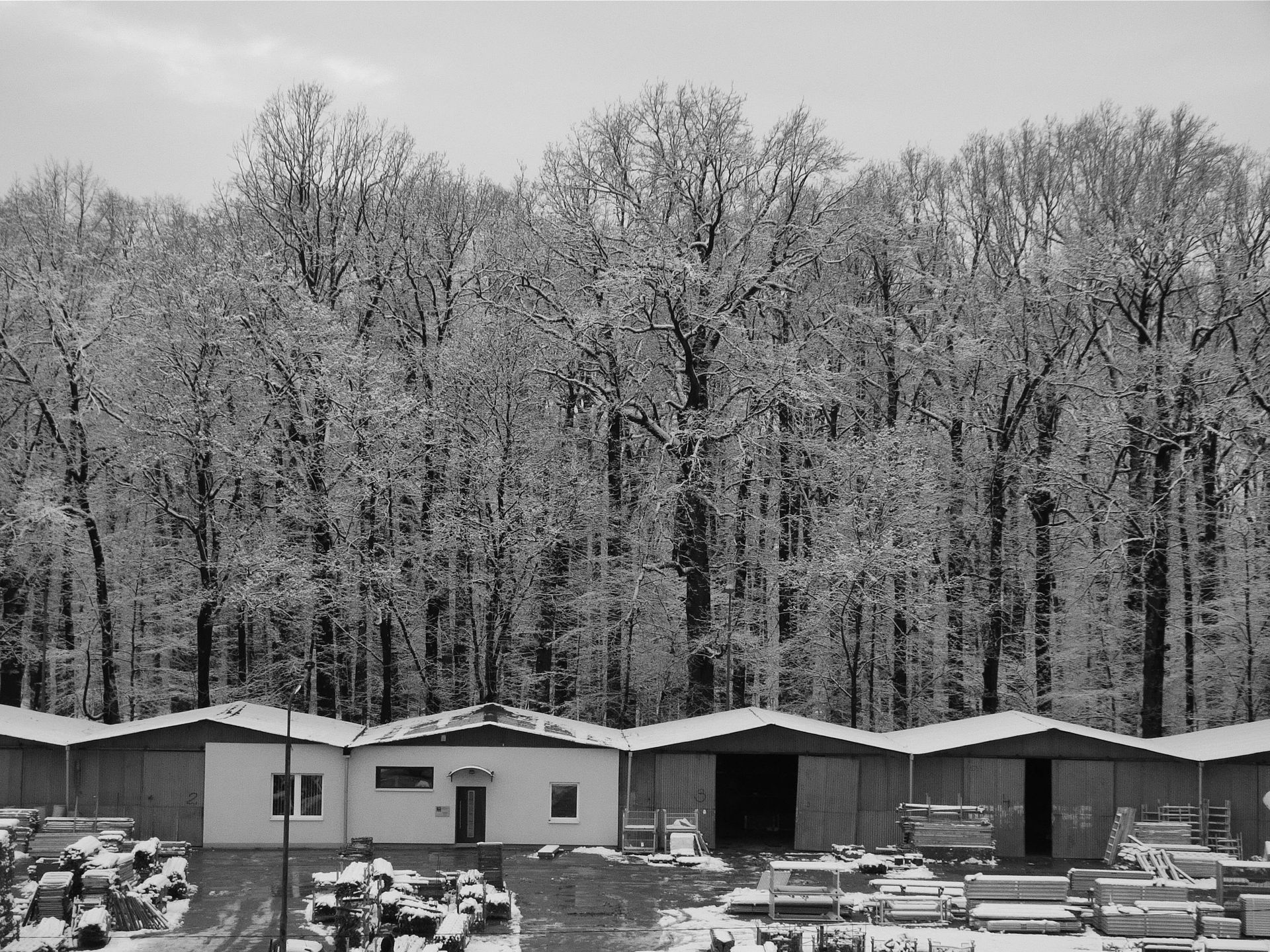
Owning an RV in Green Bay Wisconsin is a commitment to adventure during the warm months and preparation during the cold ones. When winter arrives, it does not politely wait for your travel plans to wrap up. Snow, ice, moisture, and extended freezing temperatures show up ready to test anything left unprotected. Storing your RV is similar to storing your boat for winter, properly – with these extra steps, you’ll be set and ready to pull your RV out of storage and get on the road again.
If you're in a hurry, here are the cliff-notes for how to store your RV properly:
- Wash the exterior and deep clean the interior to remove moisture, food, and residue
- Drain and winterize all water systems using RV specific antifreeze
- Change engine oil and check mechanical systems before long term storage
- Inflate tires properly and support the RV to reduce long term stress
- Remove and maintain batteries in a temperature controlled environment
- Seal openings and use rodent deterrents to prevent pest damage
- Use a breathable RV cover or choose indoor storage for maximum protection
- Control interior moisture with absorbers and airflow
- Inspect the RV periodically throughout winter
- Consider
indoor storagewith power access for easier maintenance
Clean the RV Inside and Out Before Storage
Start with a full exterior wash. Road salt, dirt, and bug residue cling to surfaces and accelerate corrosion during winter. Wash the roof, sidewalls, wheels, and undercarriage thoroughly. Pay attention to seams, trim, and ladder mounts where grime tends to settle. Let everything dry completely before storage to avoid trapping moisture.
Inside the RV, remove all food, drinks, paper products, and trash. Clean the refrigerator, microwave, and pantry areas thoroughly. Wipe down countertops, tables, and bathroom surfaces. Vacuum carpets and upholstery. Moisture and crumbs attract pests, and winter gives them plenty of time to settle in if given the chance.
Drain and Winterize All Water Systems
Water systems are one of the most vulnerable parts of an RV during winter storage. Fresh water tanks, gray tanks, black tanks, water lines, pumps, and fixtures all need to be drained completely. Freezing water expands and breaks fittings, valves, and pipes without hesitation.
After draining, use RV specific antifreeze to protect the plumbing system according to manufacturer instructions. Run antifreeze through faucets, showers, and toilets until it appears at each outlet. Do not forget exterior showers or low point drains. Empty and clean holding tanks thoroughly. Leaving waste in tanks over winter is a problem you do not want to deal with later.
Prepare the Engine and Mechanical Systems
For motorhomes, engine preparation is just as important as the house systems. Change the oil and filters before storage to remove contaminants that can cause corrosion during long periods of inactivity. Top off fluids and check coolant levels to ensure freeze protection is adequate for Wisconsin temperatures.
For towable RVs, inspect wheel bearings, brakes, and suspension components. Inflate tires to recommended pressure and consider placing the RV on blocks to reduce stress during storage. Long periods of sitting can cause flat spots and sidewall cracking if tires are neglected.
Protect Batteries and Electrical Components
Cold temperatures drain batteries quickly and can shorten their lifespan. Remove house batteries and store them in a dry location where temperatures stay above freezing. Fully charge them before storage and recharge periodically throughout winter.
If your RV has electronics such as televisions, control panels, or removable monitors, protect them by covering vents and ensuring the interior stays dry. Moisture is just as damaging to electrical systems as cold. If the RV will be stored with power available, consult manufacturer guidelines on maintaining battery charge safely.
Seal Openings and Deter Pests
RVs offer plenty of entry points for rodents looking for winter shelter. Inspect seals around doors, vents, and storage compartments. Repair gaps or damaged seals before storage. Cover exterior vents with mesh designed for RV use, making sure airflow is still possible where required.
Inside the RV, place pest deterrents such as peppermint oil soaked cotton balls or commercial rodent repellent packets in cabinets, drawers, and storage bays. Avoid poison products, as rodents may die in walls or inaccessible spaces. Remove nesting materials like paper towels, cloth, or loose insulation.
Use the Right RV Cover or Indoor Storage
If storing the RV outdoors, use a breathable RV cover designed for winter conditions. A proper cover protects against snow, ice, UV exposure, and debris while allowing moisture to escape. Avoid plastic tarps, as they trap condensation and can cause more damage than protection.
Make sure the cover fits correctly and is secured tightly to withstand wind. Periodically check for sagging areas where snow can collect. Snow load adds weight and stress to roof components over time.
Control Moisture Inside the RV
Even when fully winterized, moisture can build up inside an RV during storage. Place moisture absorbing products inside living spaces, closets, and storage compartments. These products help prevent mildew, odors, and condensation damage.
Leave interior doors, cabinets, and drawers slightly open to encourage airflow. Do not seal the RV airtight unless it is climate controlled. Trapped moisture causes problems that often go unnoticed until spring.
Check the RV Periodically During Storage
Storage does not mean forgetting about your RV completely. After major snowfalls or storms, inspect the exterior for cover issues, drifting snow, or water intrusion. Make sure tires remain inflated and the RV has not shifted.
If possible, step inside occasionally to check for moisture or pest activity. Replace moisture absorbers as needed and address small issues before they become big ones. A little attention during winter saves a lot of time later.
Why Indoor RV Storage Is Worth Considering
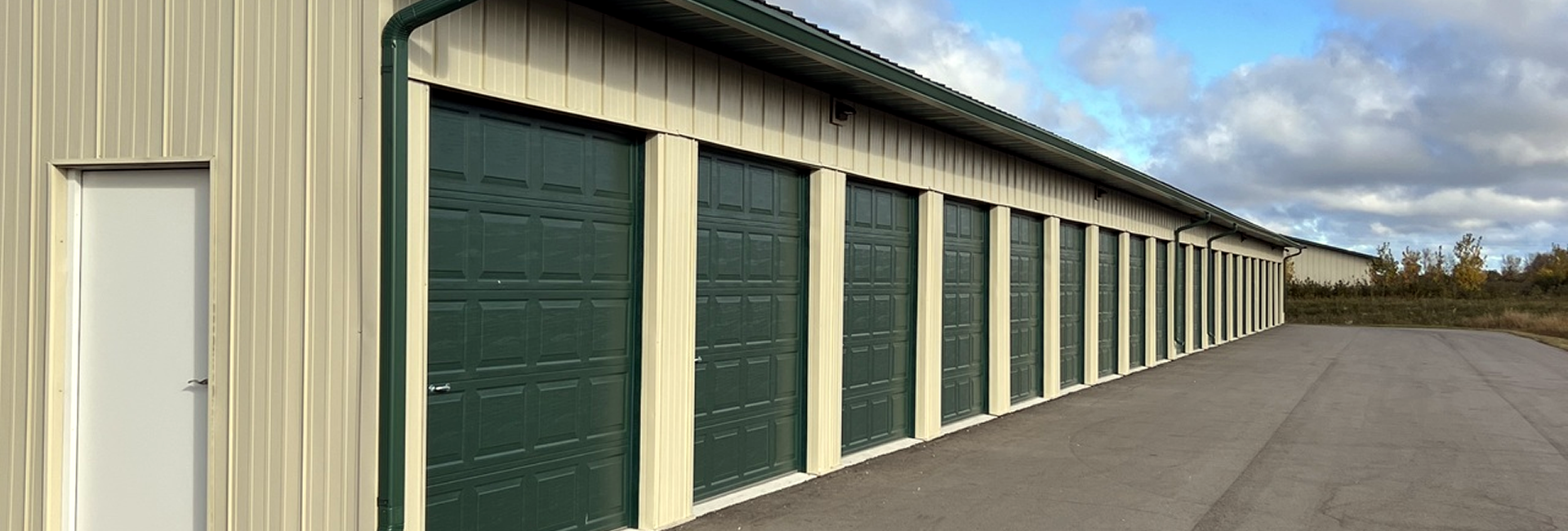
Outdoor storage requires careful preparation and ongoing checks, especially in Green Bay winters. Indoor RV storage in Green Bay removes many of these risks at once. Protection from snow, ice, wind, and temperature swings helps preserve both mechanical and interior components.
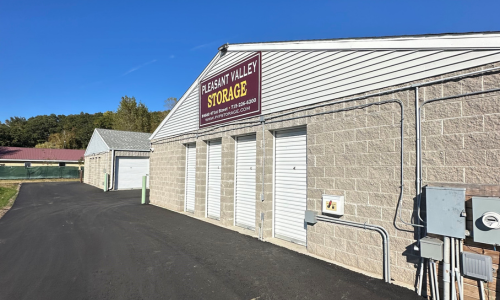
At Pleasant Valley Storage,, RV owners have access to large storage units that can accommodate RVs, along with available electricity inside the units. This allows for battery maintenance, added convenience, and significantly reduced exposure to harsh winter conditions. Instead of worrying about winter damage, you can store your RV indoors and focus on planning your next trip.
Proper RV storage protects your investment and makes spring travel easier. With the right preparation and the right storage solution, your RV will be ready to go when the road calls again.