RV and Boat Depreciation: How Fast Value is Lost and How to Protect Your Investment
Recreational vehicles and boats represent substantial financial investments. While they provide long term lifestyle benefits, they are also depreciating assets that lose value every year they are owned. Unlike real estate, RVs and boats experience predictable value decline driven by age, usage, condition, and environmental exposure. Understanding depreciation patterns allows owners to make informed decisions that protect resale value.
Depreciation is not solely determined by time. Storage conditions, maintenance consistency, and protection from weather play a measurable role in how quickly value declines. Owners who store RVs and boats properly during the offseason retain significantly more value than those who leave them exposed to seasonal elements. This article explains typical depreciation rates, the factors that accelerate value loss, and how proper storage can reduce long term financial impact.
RV Depreciation Rates Over Time
RVs depreciate rapidly compared to many consumer assets. On average, a new RV loses between 20% and 30% of its value in the first year. By the end of year 5, most RVs have depreciated between 45% and 60% from their original purchase price.
After the initial drop, annual depreciation typically ranges from 8% to 12% per year. The exact rate depends on RV type, brand reputation, usage, and condition. Motorhomes generally depreciate faster than towable RVs because they include drivetrain wear and higher mechanical complexity.
Class A motorhomes tend to experience the highest depreciation, while travel trailers and fifth wheels decline at a slightly slower pace.
Storage conditions significantly influence where an RV falls within these depreciation ranges. Units stored outdoors year round often show premature wear on roofing membranes, seals, tires, and exterior finishes. These visible issues directly lower resale value and often require corrective repairs before sale.
Boat Depreciation Rates Over Time
Boats also experience consistent depreciation, especially during the early years of ownership. A new boat typically loses between 15% and 25% of its value in the first year. By year 5, total depreciation commonly reaches 40% to 50% of the original purchase price.
After the initial decline, boats generally depreciate at a rate of 5% to 10% per year. Depreciation varies based on hull material, engine hours, maintenance history, and storage practices. While saltwater exposure increases depreciation more rapidly, poor storage accelerates value loss in any environment.
Boats stored outdoors without adequate protection are more likely to develop gelcoat oxidation, interior mildew, corrosion in electrical systems, and engine related issues. These conditions reduce buyer confidence and often lead to lower offers or longer selling timelines.
The Role of Storage in Depreciation
Storage environment is one of the most controllable factors affecting depreciation. RVs and boats exposed to snow, ice, rain, UV radiation, and temperature swings degrade faster than units stored indoors. Freeze and thaw cycles stress seals, joints, and materials, increasing the likelihood of leaks and structural damage.
Taking the correct measures to properly store your boat or winterizing your RV for storage as well as Indoor storage minimizes exposure to environmental stressors. It protects exterior surfaces from UV damage, preserves seal integrity, and reduces moisture intrusion. Climate stability slows deterioration of rubber components, finishes, and interior materials.
Storage facilities that offer electricity provide additional protection. Power access allows owners to maintain batteries, operate dehumidifiers, and periodically monitor systems, all of which help preserve long term value.
Mechanical and Structural Depreciation Factors
Mechanical systems depreciate fastest when exposed to harsh conditions or long periods of inactivity without preparation. Engines that sit without proper storage procedures develop internal corrosion, fuel system degradation, and seal failures. These issues are often identified during inspections and immediately reduce resale value.
Structural components also decline more rapidly when exposed. RV roofs and boat hulls are particularly vulnerable to prolonged moisture exposure. Sealant failure leads to water intrusion, which causes interior damage that is expensive to repair and difficult to fully reverse. Units with documented water damage history typically sell for significantly less.
Tires represent another depreciation factor. RV and trailer tires degrade from UV exposure and static load even when mileage is low. Sidewall cracking and flat spotting are common in units stored outdoors for extended periods.
Interior Condition and Market Value
Interior condition strongly influences resale pricing. Upholstery, flooring, cabinetry, and wall panels deteriorate when exposed to moisture, pests, and temperature swings. Mold and mildew odors are especially damaging, often reducing resale value by several thousand dollars regardless of mechanical condition.
Indoor storage preserves interior materials by limiting moisture exposure and stabilizing temperature. Units that remain dry and odor free present better during resale inspections and command higher asking prices.
Buyers also value documentation. Records showing consistent indoor storage increase buyer confidence and often justify higher offers. Storage history has become an important evaluation factor in resale markets.
Long Term Financial Impact
Consider an RV purchased for $100,000. After year 1, its value may drop to $70,000 to $80,000. By year 5, that same RV may be worth between $40,000 and $55,000 depending on condition and storage practices. Poor storage often pushes value toward the lower end of that range.
A boat purchased for $60,000 may drop to $45,000 to $51,000 after year 1 and decline to $30,000 to $36,000 by year 5. Boats with visible weather damage or mechanical neglect frequently sell below market averages.
Reducing depreciation by even 5% to 10% through proper storage can preserve thousands of dollars over the ownership period.
How Proper Storage Slows Depreciation
Indoor storage addresses the primary drivers of depreciation. It protects exteriors, mechanical systems, and interiors simultaneously. It reduces cosmetic wear, mechanical deterioration, and moisture related damage.
Facilities offering large units and electricity enable battery maintenance, humidity control, and system monitoring during the offseason. This proactive care prevents hidden deterioration that often surfaces during resale inspections.
Seasonal storage also reduces risk of vandalism, theft, and accidental damage, all of which negatively affect resale value and insurability.
Why Pleasant Valley Storage Matters
For RV and boat owners in Wisconsin, offseason storage decisions have measurable financial consequences. Exposure to snow, ice, and freezing temperatures accelerates depreciation and increases ownership costs.
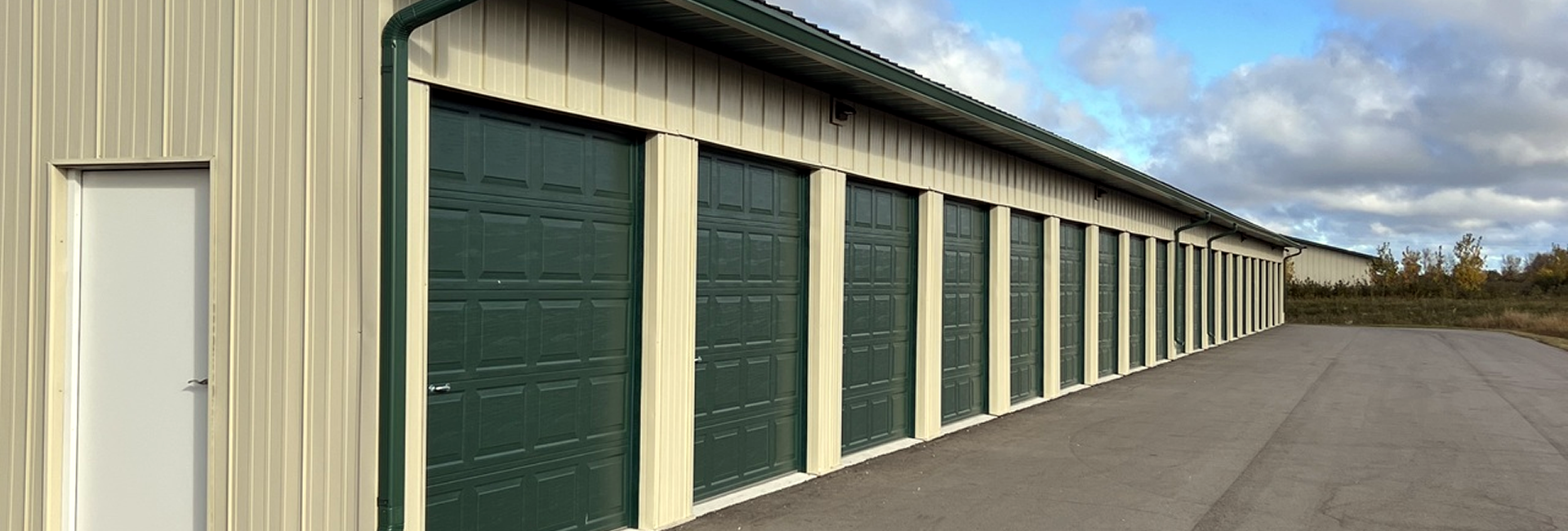
Pleasant Valley Storage in Green Bay offers large indoor storage units capable of housing RVs and boats, along with electricity available inside the units. This allows owners to protect their investments from environmental exposure, maintain batteries and onboard systems, and significantly slow depreciation during the offseason.
Proper storage is not simply a convenience. It is a value preservation strategy that reduces long term costs and protects resale potential. Over the lifespan of an RV or boat, storing it correctly can preserve thousands of dollars and make ownership financially smarter.