Moving to Green Bay, Wisconsin: An Honest Guide to What You're Getting Into
Green Bay holds the smallest media market in the NFL, a working port on Lake Michigan, and a downtown that has been quietly rebuilding itself for the last decade. People move here for the affordability, the four honest seasons, and the kind of neighborly, no-frills culture that has mostly disappeared from bigger cities. A single-family home is still within reach for a middle-class family, commutes are measured in minutes instead of hours, and Friday night fish fries are an actual institution rather than a nostalgic idea.
This is not a trendy city, and that is exactly the point. Green Bay attracts people who want a stable life over a flashy one, and the math tends to work out in their favor once they settle in. You trade nightlife and international flights for space, savings, and a pace that lets you breathe.
If you are thinking about relocating, the honest move is to look at the numbers first, understand the lifestyle second, and then decide if the winters are something you can genuinely live with. This guide walks through what to expect, what to budget for, and how to plan the transition so you are not caught off guard once the moving truck pulls away.
The size and feel of the city
The city itself holds roughly 106,000 residents, with the broader metro area pushing past 320,000 once you fold in De Pere, Ashwaubenon, Allouez, Bellevue, and Howard. The median household income sits around $62,546, and the median age is about 35.7, which gives you a sense of the mix. You get young families, longtime residents, students from UW-Green Bay, and retirees who want to stay close to grandkids.
Growth here is slow, and the population has held roughly steady for a few years. That is partly why the housing market has not gone haywire the way it has in Sun Belt cities. You are not competing against thousands of relocating remote workers for every listing, and you are not watching grocery prices spike every quarter.
The feel of the city is blue-collar at its core, but not rough. It is polite and reserved in the way small Midwestern cities often are, but genuinely friendly once you have been around for a while. Expect people to wave from their cars and shovel your driveway before you get home from work. That is not a cliche, that is a Tuesday in January.
Cost of living, and where your money actually goes
Green Bay is genuinely affordable by national standards. The cost of living index sits around 75, which is roughly 25 percent below the U.S. average. Housing is the main driver of that affordability, but groceries, utilities, and healthcare all trend below the national median as well.
Where the math gets a little less rosy is Wisconsin's tax structure. The state sales tax is 5 percent, with Brown County adding a half-percent on top, so you land at 5.5 percent at the register. Property taxes in Wisconsin are on the higher side compared to national averages, which is something to factor in when you are comparing a mortgage payment to what you pay now. Income tax is a graduated system that bites a little harder than low-tax states but less than places like New York or California.
A single person can live comfortably in Green Bay on roughly $2,500 a month, and a family of four typically budgets closer to $5,500. Those numbers include rent or mortgage, groceries, utilities, transportation, and healthcare. Most people find that they can save more here than they could in a higher-cost market, even when factoring in the property tax bite.
The housing market in plain terms
Green Bay housing is not the steal it was five years ago, but it is still reasonable. The median home price is around $273,000, up roughly 4.6 percent year over year, which is steady growth without the whiplash of hot markets. Homes here typically sell in under half the time they do in the rest of the country, which means when a good listing pops up, you need to move fast.
Rental prices vary by neighborhood, but the citywide median sits in the $900 to $1,100 range for a one-bedroom and climbs from there. The west side around the County Road U corridor and Howard tends to offer newer construction and a suburban feel. Allouez and De Pere lean a bit more walkable and established, with older homes and mature trees. Bellevue has been one of the fastest-growing suburbs for families who want a bit more land without a long drive.
Downtown Green Bay has been steadily revitalizing, with new apartments, restaurants, and the CityDeck along the Fox River. If you want walkability and a little more energy, that is where to look. If you want a yard, a garage, and a quieter street, you are going to head to the outer neighborhoods and the suburbs north and west of the city.
The winter is real, and you should plan for it
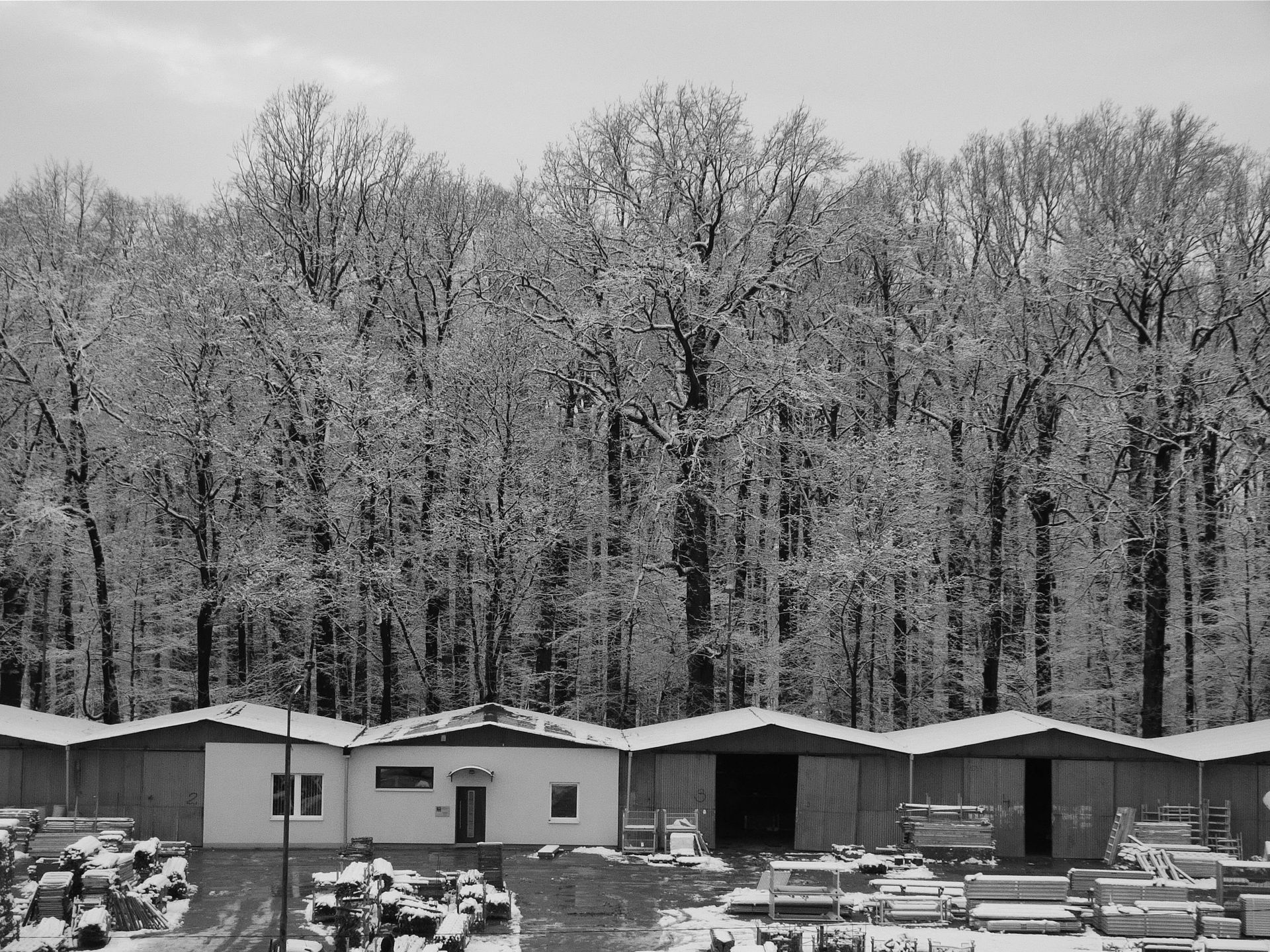
There is no polite way to say this. Green Bay winters are long, cold, and snowy, and if you are moving here from a warm climate, the adjustment is going to take at least one full year. Daily highs in January and February often stay in the low 20s, and the city averages 19 nights a year where temperatures dip below zero. Snowfall picks up starting in late November and usually does not fully give up until early April.
None of this is a dealbreaker, but it does change how you live. You will need real winter gear, a reliable vehicle with all-season or winter tires, and the discipline to shovel before the snow compacts into ice. Most longtime residents will tell you the trick is to lean into winter rather than wait it out. Cross-country skiing, ice fishing on the bay, and sledding at Bay Beach are all part of the rhythm.
Winter is also where storage becomes a practical part of life here, not a nice-to-have. Summer patio furniture, bikes, kayaks, boats, and lawn equipment need somewhere to go for five or six months. Homes in Green Bay often have basements and detached garages, but if you own a boat, a camper, or a second vehicle, you will run out of space faster than you expect. Planning ahead for seasonal storage before the first snowfall is one of those quiet moves that separates the people who enjoy Green Bay winters from the people who dread them.
Jobs, industry, and who is hiring
Green Bay's economy rests on three pillars: manufacturing, healthcare, and paper. Bellin Health is the largest employer in the region, with a workforce north of 3,600, followed closely by Aurora Health Care. Manufacturing still employs more people than any other single sector, with Green Bay Packaging, Schreiber Foods, Georgia-Pacific, and Humana Insurance among the largest private employers.
The paper industry that built Green Bay is smaller than it once was but is still a real presence. The city has also become a regional hub for transportation and logistics, with 642 transportation and logistics companies operating in the area and the 18th largest employment concentration in that industry nationwide. If you work in logistics, distribution, or supply chain, there is real opportunity here.
Wages are lower than in major metros, but so is the cost of living, which generally balances out for most households. Remote workers moving in from coastal cities are often pleasantly surprised by how much further their salary goes, even after adjusting for the higher property taxes.
Commuting, neighborhoods, and getting around
If you are used to a 45-minute commute, Green Bay is going to feel like a gift. The average commute in Green Bay is about 16 minutes, and roughly 86 percent of residents drive to work. Public transit exists through Green Bay Metro, which runs 11 full-service bus routes across Green Bay, De Pere, Allouez, Ashwaubenon, and Bellevue, but most households here run on cars.
Highway 41 is the main artery running north-south through the metro, and it connects Green Bay to Milwaukee in about two hours and to Appleton in under 30 minutes. Downtown, the east side, and the west side are all easy to reach from most suburbs. The west side near County Road U has grown steadily over the last decade, with new housing, retail, and easy access to both downtown and the Lambeau Field area.
Parking is abundant almost everywhere except downtown during Packers home games, which is a category of chaos all its own. If you live anywhere on the west side, you are roughly 10 to 15 minutes from Lambeau, downtown, and the airport, which makes daily logistics refreshingly simple.
Schools and education
The Green Bay Area Public School District serves around 18,579 students across 44 schools and is the second-largest district in the state. Surrounding districts like Howard-Suamico, Ashwaubenon, De Pere, and Pulaski are smaller and often score well on state assessments, which is part of why many families gravitate to the suburbs when kids hit school age.
Higher education is anchored by the University of Wisconsin-Green Bay, which sits on a wooded campus on the east side of the bay. The school has carved out a reputation for strong environmental science, nursing, and business programs, and its Rising Phoenix program allows local high school students to earn an associate degree alongside their diploma. Northeast Wisconsin Technical College rounds out the higher-ed landscape with trade, healthcare, and technical programs that feed directly into the regional job market.
For families, the practical move is to research the specific district within Green Bay before you sign a lease or buy. School quality varies more by neighborhood than by city, and the suburbs generally offer smaller class sizes and stronger test scores.
The Packers, Lambeau, and what people actually do here
You cannot write about Green Bay without talking about the Packers, because the team is genuinely woven into the identity of the city. Lambeau Field is the emotional center, and Titletown, the 45-acre entertainment district right next door, has turned into a year-round gathering spot with restaurants, a public football field, free summer concerts, a tubing hill, and an ice skating rink in the winter.
But the lifestyle here extends well past football. Bay Beach Amusement Park is one of the only remaining free amusement parks in the country, which is a genuinely unusual thing for a city this size. The Fox River Trail runs for miles through the metro, connecting parks, breweries, and neighborhoods for runners and cyclists. The bay itself opens up fishing, boating, and sailing in the summer, and ice fishing in the winter.
This is where the storage conversation comes back around. If you pick up boating, ice fishing, or snowmobiling after moving here, and many transplants do, you accumulate gear fast. A 16-foot fishing boat, a snowmobile trailer, a set of cross-country skis, and a kayak rack does not fit neatly into a two-car garage. Keeping that gear protected from the weather and easy to access is where a solid storage setup earns its keep.
What it typically costs to move here
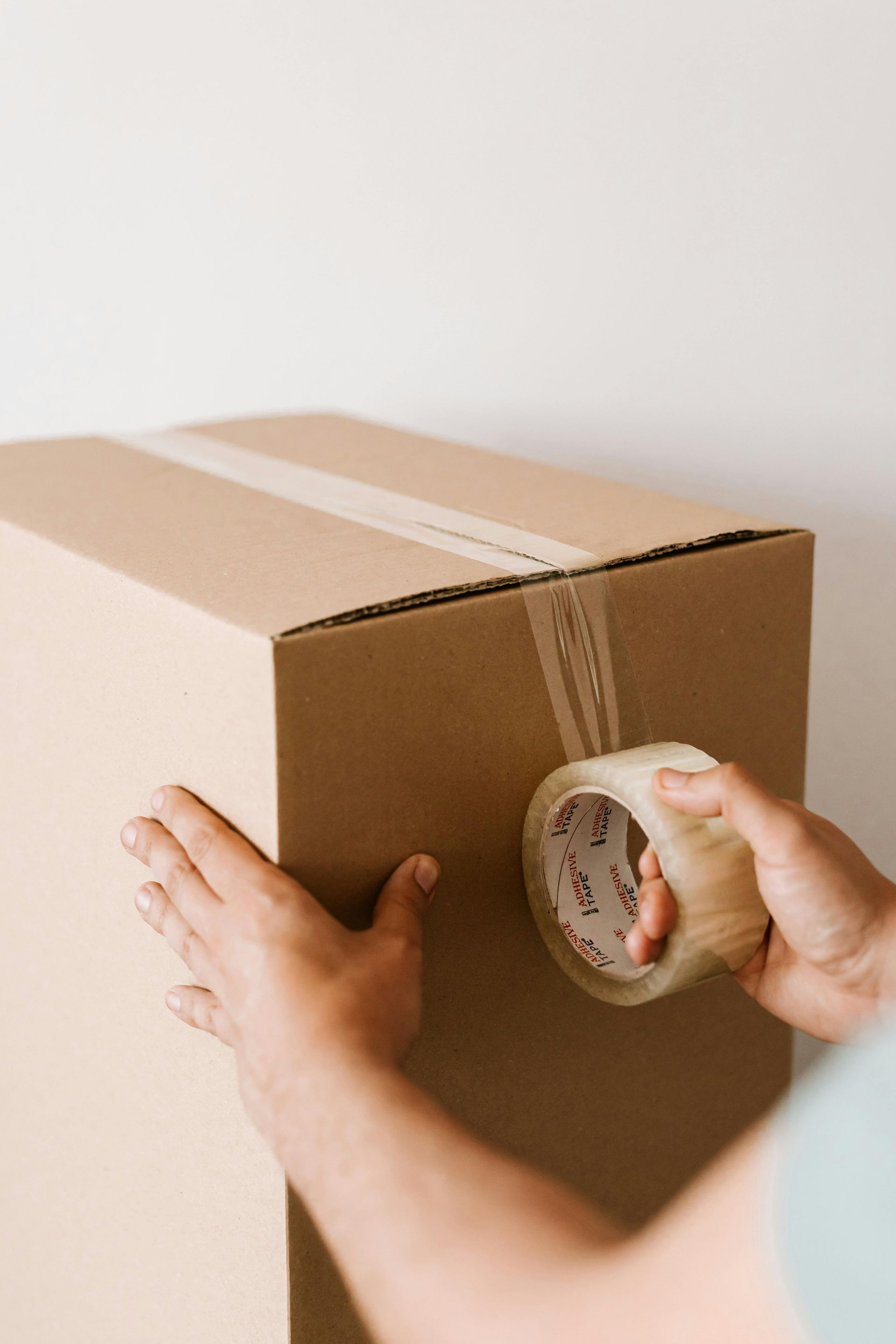
If you are relocating from within Wisconsin or a neighboring state, you are in good shape. Local moves in Wisconsin average around $121 per hour with a moving crew, and most local moves land between $487 and $1,470. Long-distance interstate moves from outside the region typically run $2,500 to $5,500 depending on volume and distance.
Beyond the mover's bill, budget for the small stuff that adds up. New winter tires, snow shovels, ice melt, a roof rake, and a good snowblower are standard Green Bay purchases if you are coming from a warm climate. Utility deposits, the security deposit or closing costs on a home, and the cost of storing items during the overlap between leases or closings all need a line in the spreadsheet.
The overlap problem is one of the most common blind spots. If you are closing on a house at the end of May but your apartment lease in your old city ends April 30, you need somewhere for your things to live for a month. Short-term storage is often cheaper than trying to pay a double rent or extending a lease week to week.
Who thrives in Green Bay, and who struggles
Green Bay works well for people who value stability, affordability, community, and four honest seasons. Families looking for strong schools and safe neighborhoods, remote workers who want to stretch their salary, retirees who want quick access to healthcare and outdoor recreation, and anyone who wants to own a home without needing a second job all tend to do well here.
It does not work as well for people who need year-round warm weather, a bustling nightlife scene, or easy access to a major international airport. Green Bay Austin Straubel International serves the region well for regional flights, but you will often connect through Chicago or Minneapolis for longer trips. If you cannot live without walkability and density, the downtown core is the only part of the city that delivers that, and even then it is a quieter version of what you would find in a larger metro.
The best way to test the fit is to visit in February and August. If you can handle both the cold and the humidity, you will do fine here year-round.
Where Pleasant Valley Storage fits into the move
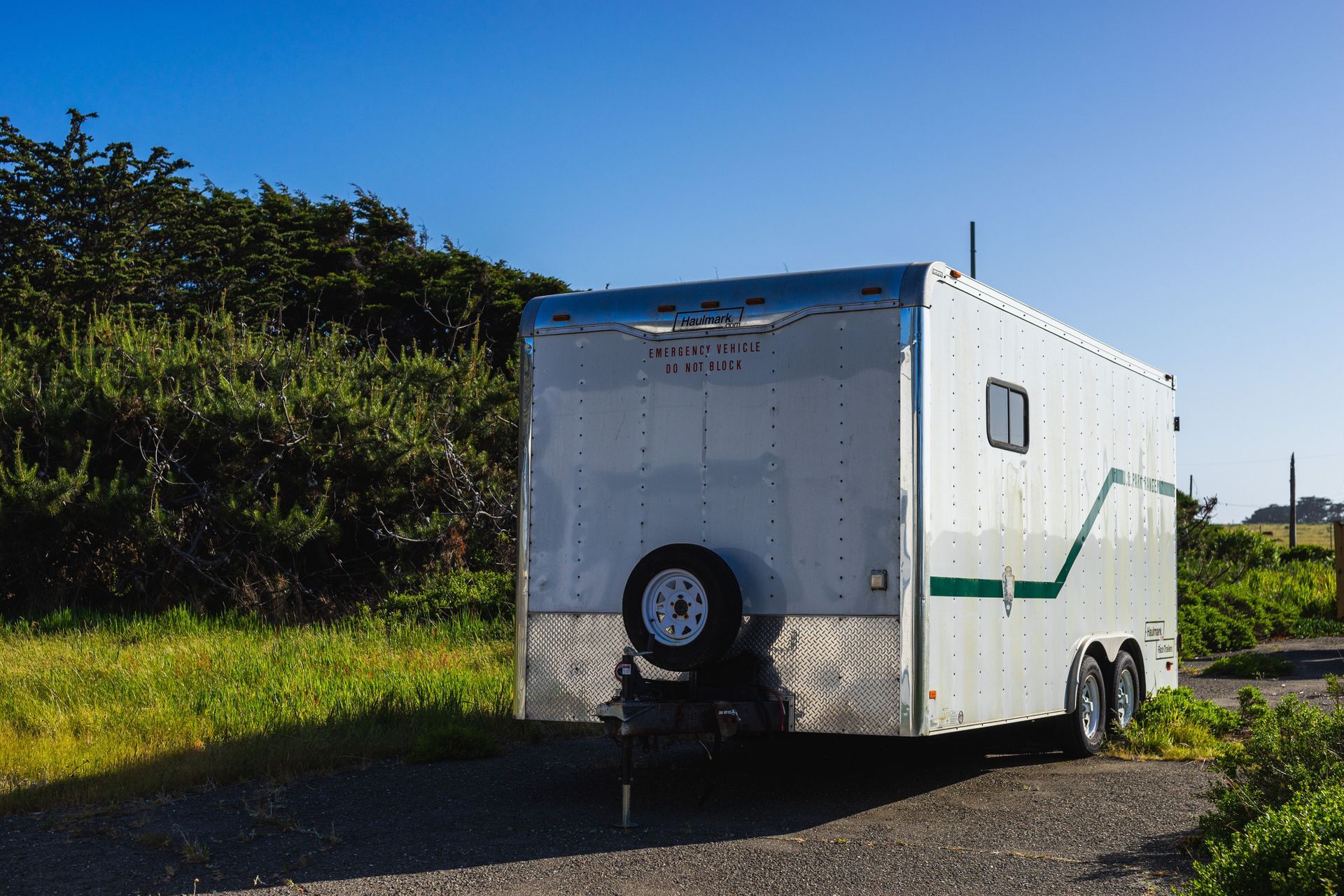
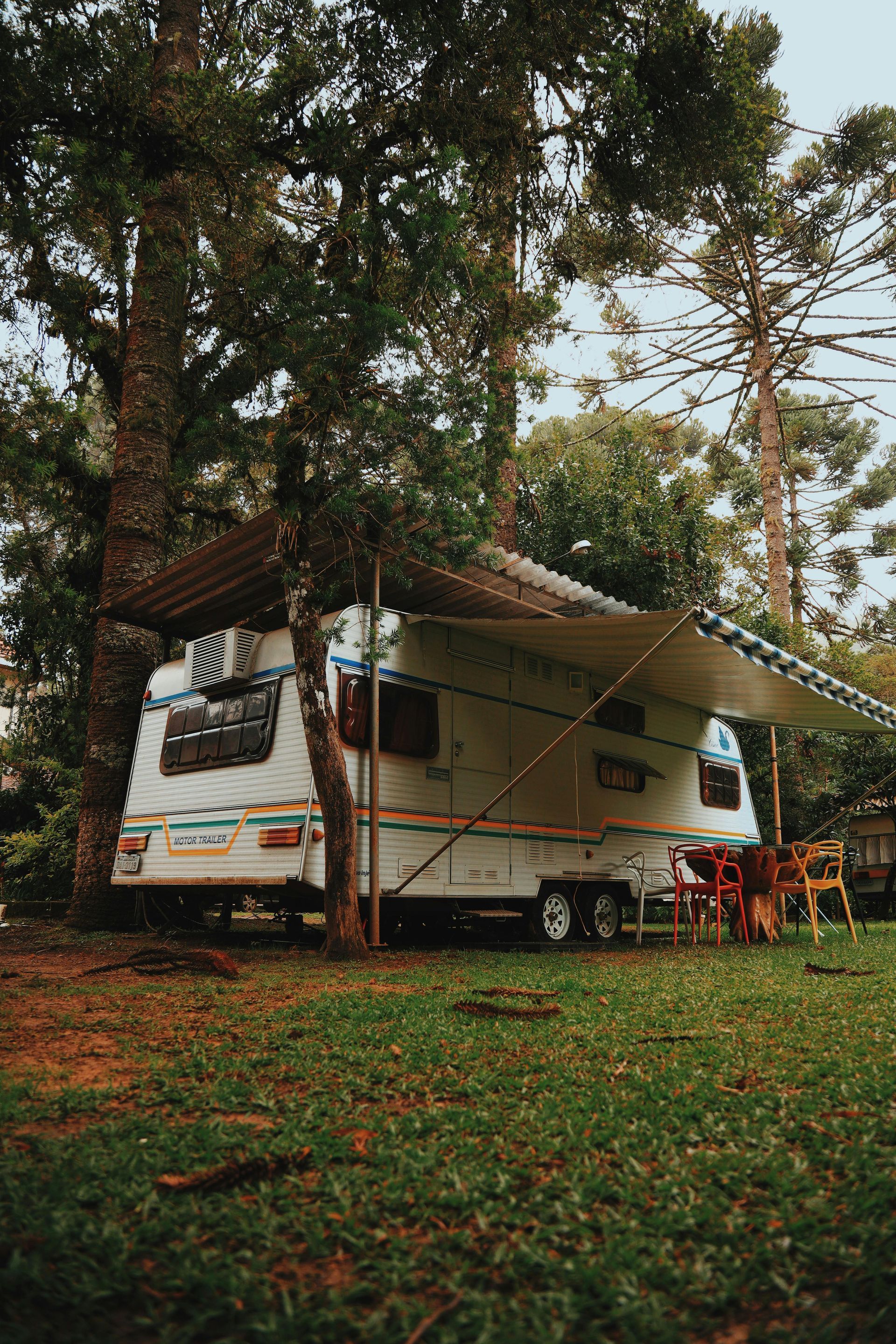
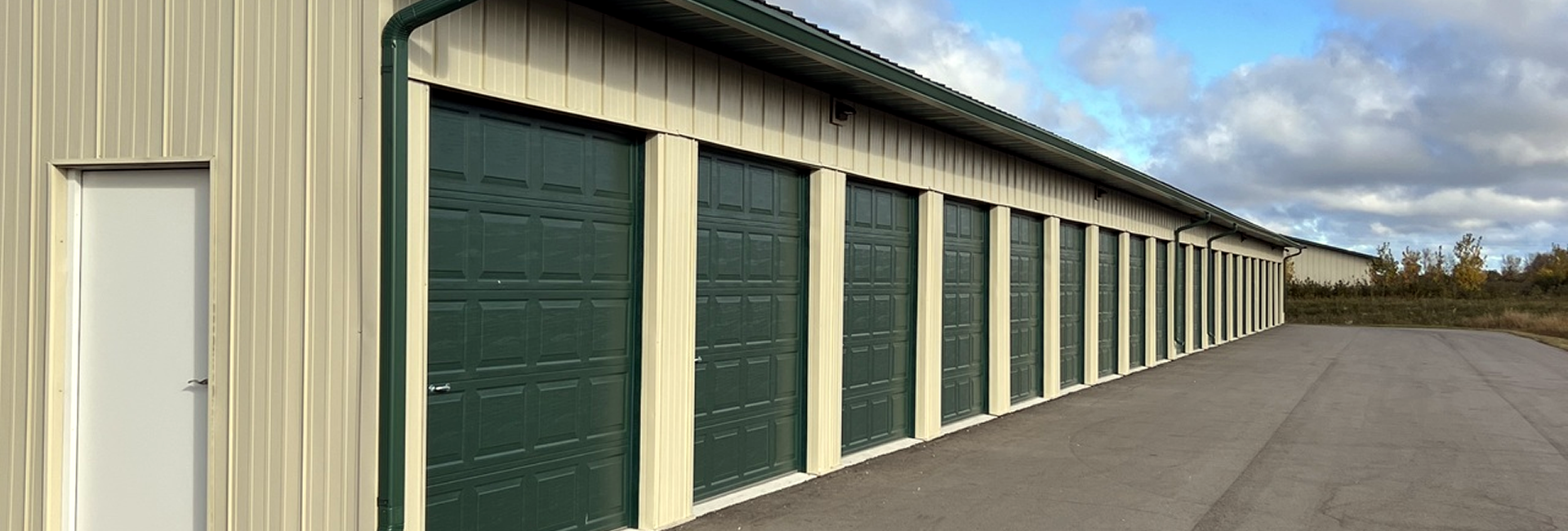
Pleasant Valley Storage Green Bay sits at 1875 County Road U on the west side, which puts it within a short drive of most neighborhoods in the metro, from Howard and Suamico down through Ashwaubenon and into De Pere. The Green Bay storage facility offers drive-up units ranging from 11x20 spaces that fit the contents of a small home up to 12x35 units that can hold multiple vehicles or a full business inventory. Larger bays reach up to 45 feet deep, which comfortably accommodates travel trailers, fifth wheels, Class A motorhomes, fishing boats, and jet skis. These parking amenities will help maintain the value of your boat or RV.
If you are moving to Green Bay and need somewhere to park extra vehicles, or household overflow during the transition, the team at Pleasant Valley Storage Green Bay can walk you through unit sizes, covered parking options, and the 24/7 access setup that makes loading and unloading simple.
Between the online rental process, the free disc lock with every rental, and the video-monitored, gated property, it is built for people who want storage to be the easy part of the move rather than another thing to manage. Give the facility a call, check availability online, or stop by County Road U to see the space in person before your move-in date.