Boat Shrink Wrap vs. Cover: Which Does Your Boat Need?
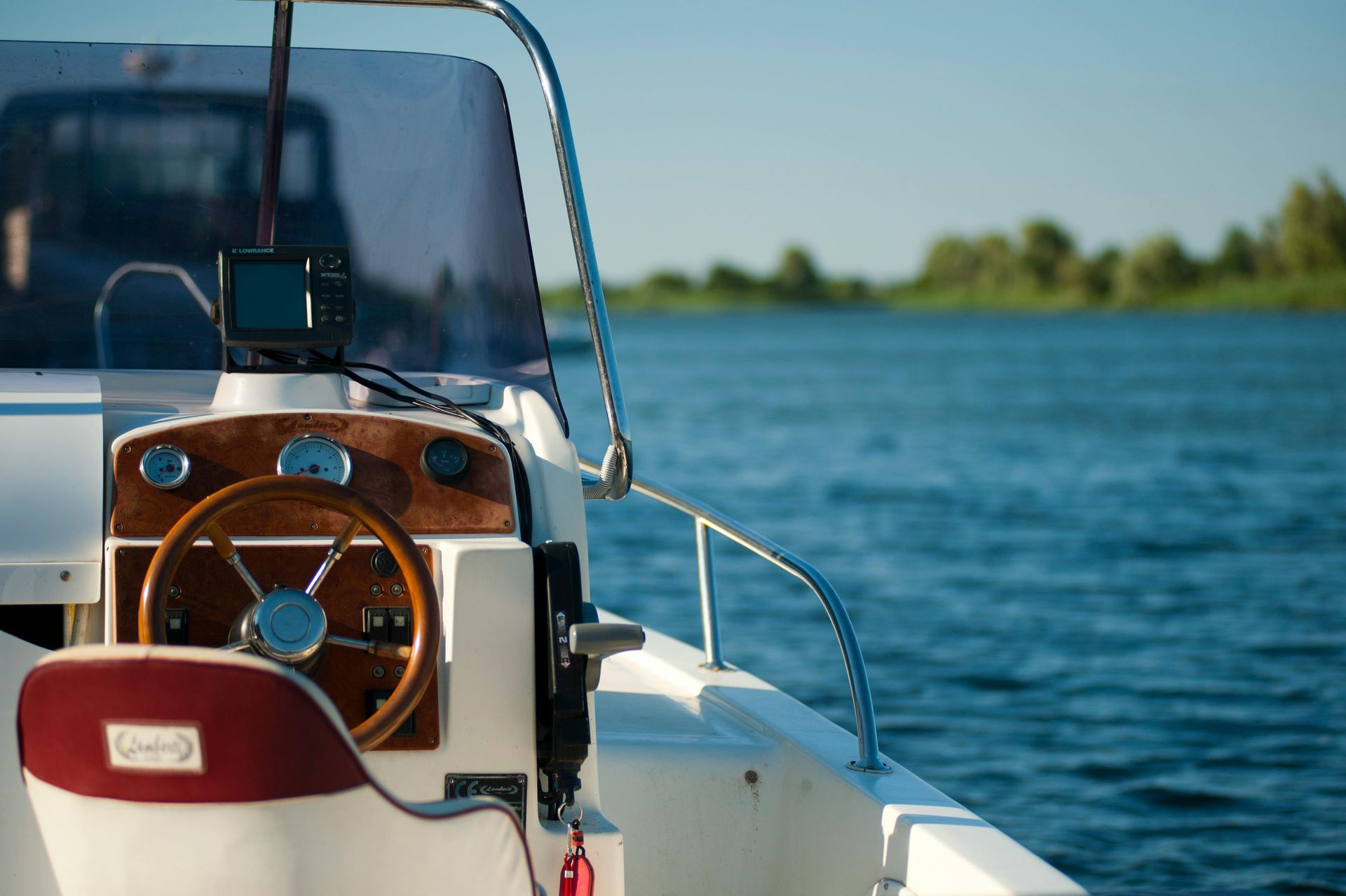
Putting a boat away for the offseason involves more than getting it out of the water. The boat still needs protection from moisture, debris, snow, and long periods of inactivity. One decision owners face is whether to shrink-wrap the boat or use a reusable fitted cover.
The right answer depends largely on where the boat will sit and how much access you'll need while it's stored. For owners comparing indoor space with outdoor winter storage, our storage options in Wisconsin and North Dakota also provide another way to limit exposure without relying entirely on an exterior covering.
Boat Shrink Wrap vs. Cover
Shrink wrap and fitted boat covers solve the same basic problem in different ways. Marine shrink wrap is heated around a support structure until it forms a tight shell around the boat. A fitted cover uses reusable fabric secured over the boat, usually with a support system underneath to create enough slope for water and snow to shed. For outdoor winter storage, shrink wrap provides a tight barrier against rain, snow, dirt, and debris. A quality fitted cover is reusable and easier to remove when you need access to the boat. Neither choice eliminates the need to winterize the boat itself.
That last distinction matters. Covering the hull doesn't protect plumbing from freezing, maintain a battery, stabilize fuel, or prepare an engine for months without use. Think of the covering as the boat's exterior layer of protection after the underlying winterization work is finished.
When Shrink Wrap Makes Sense
Shrink wrap is particularly useful when a boat will spend the offseason outdoors. Once properly installed, the material conforms closely to the boat and is less prone to loose sections flapping in the wind than an improperly fitted tarp or cover. A good shrink-wrap installation needs a support structure underneath. That structure creates a slope so precipitation can move off the boat rather than collecting on top.
Shrink wrap also needs ventilation. A tightly sealed boat cover may keep precipitation out while trapping moisture already inside. Shrink wrap without adequate vents can contribute to serious mildew problems. The boat should be clean and dry before wrapping, with ventilation incorporated into the installation.
Where a Reusable Boat Cover Has an Advantage
A fitted fabric cover takes a different approach. Instead of creating a disposable plastic shell each season, a quality cover can be removed and reused. That makes it worth considering for owners who expect to store the same boat for several years. Access is another advantage. If you need to inspect the interior, work on the boat, or retrieve something during storage, you can remove or lift the cover and put it back afterward. Ordinary shrink wrap limits access unless the installation includes a suitable access door.
Fabric can also provide better breathability. Still, that doesn't mean you can throw a loose cover over a boat and leave it alone for months. A winter cover needs adequate support to keep water and snow from collecting in low areas. Seams, straps, and attachment points should also be checked for wear. A bimini or lightweight seasonal cover shouldn't be treated as a winter storage cover.
What About a Basic Tarp?
A general-purpose tarp looks like the simplest option, but simplicity can disappear once wind, snow, and pooling water become involved. A loose tarp can move against the boat's finish, tear, sag, or collect precipitation if it isn't properly supported. For long-term outdoor storage, use a covering designed for the job rather than assuming any waterproof sheet will provide equivalent protection. The fit, support underneath, attachment points, and ventilation matter as much as the material itself. If you're investing time in winterizing a boat, the exterior covering shouldn't become the weak point in the setup.
Indoor Storage Changes the Covering Decision
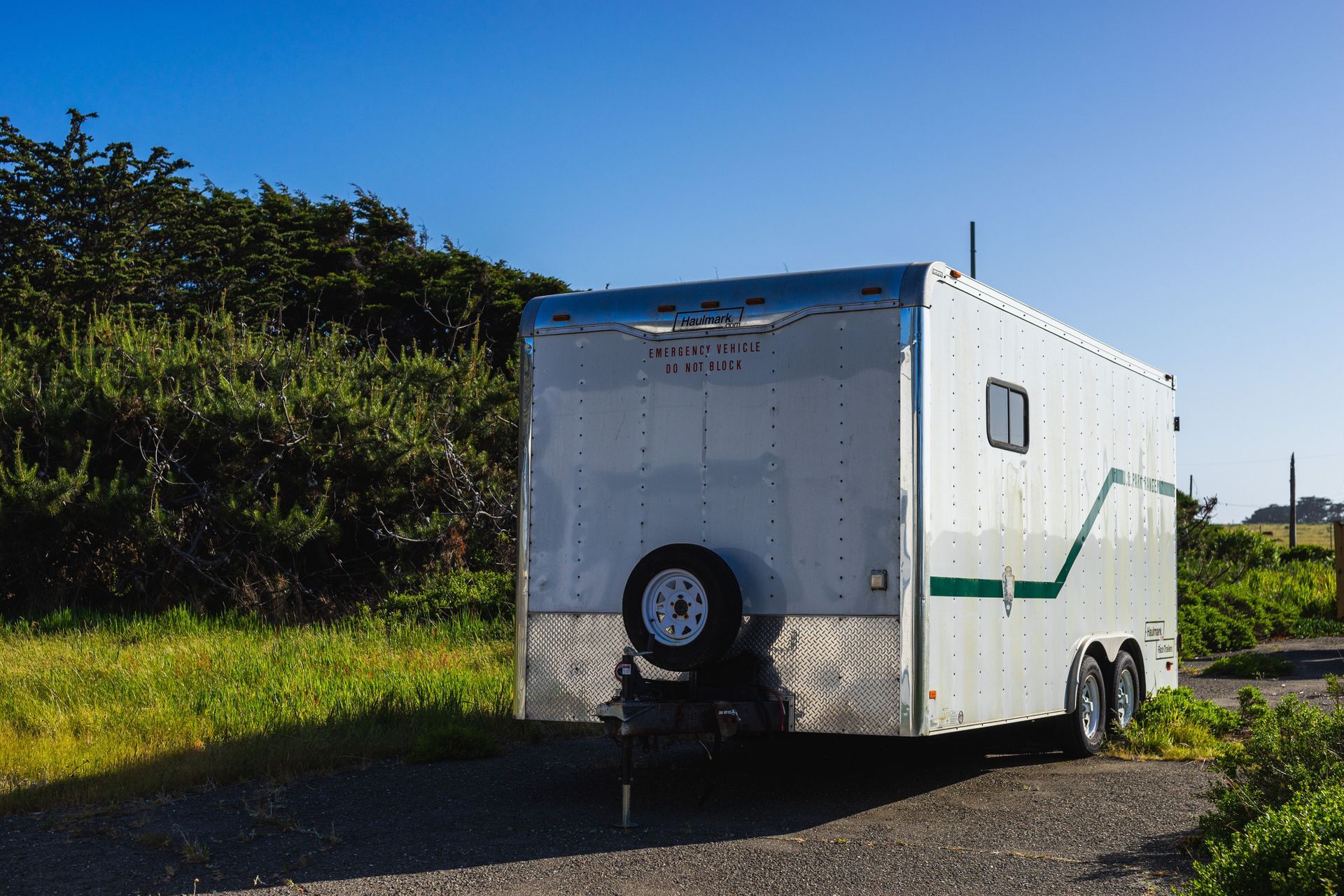
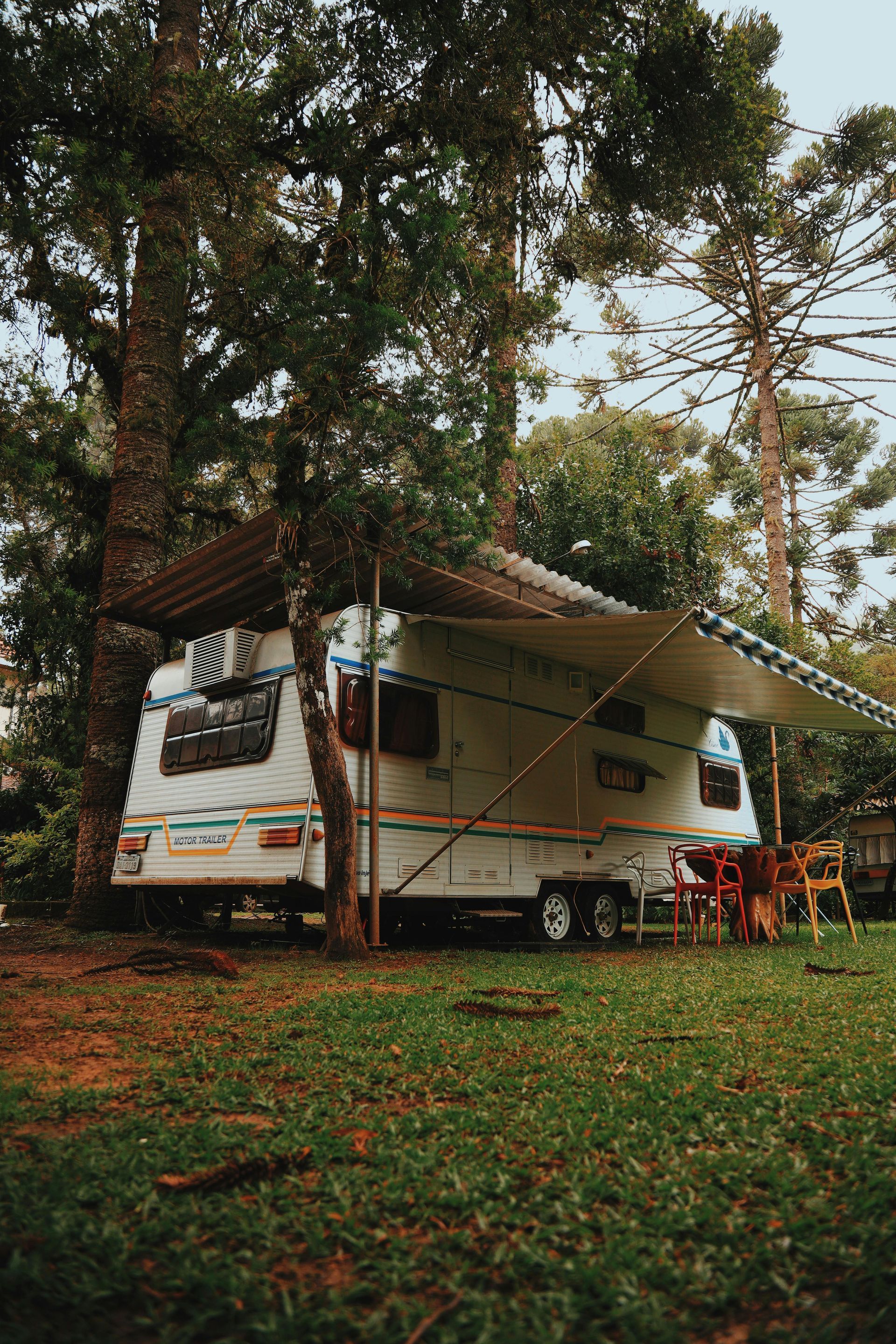
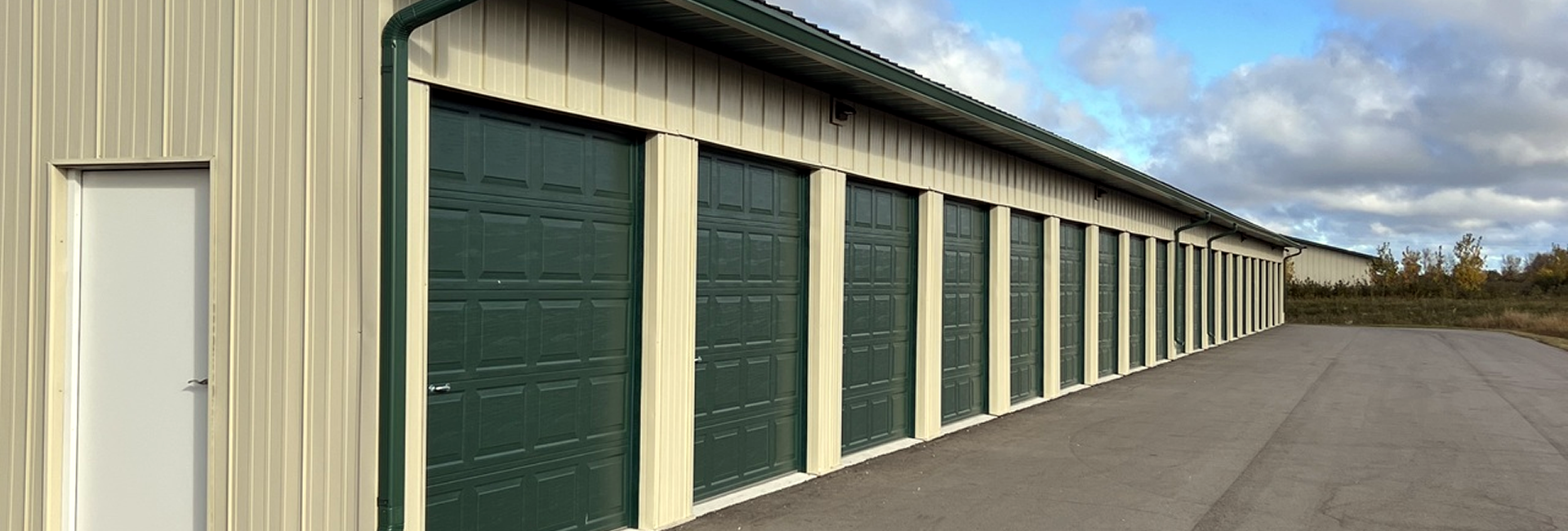
A boat stored indoors isn't exposed directly to falling snow, rain, or the same level of wind and debris. That changes what the exterior cover needs to accomplish. Pleasant Valley Storage offers units as large as 14x60 across our locations, though availability and individual unit features vary by property. Some units also offer heat and electricity. If you're considering indoor space for a boat, confirm the dimensions of the boat and trailer against the actual available unit before renting.
Indoor storage can also reduce the amount of weather-related deterioration a boat experiences during the offseason. Our guide to RV and boat depreciation and proper storage discusses how environmental exposure and storage conditions affect exterior surfaces, seals, tires, and interior materials over time. A light cover may still be useful indoors for dust, but the job is very different from protecting a boat that will sit outside through winter.
Prepare the Boat Before Either Cover Goes On
Don't use shrink wrap or a fitted cover to hide unfinished winterization work. Start with a clean boat and let surfaces and interior spaces dry before covering it. Remove food and other materials that could attract pests, and take out removable items that shouldn't spend months aboard. Mechanical preparation depends on the boat, engine, onboard systems, and manufacturer's instructions. Follow the procedures specified for your particular equipment rather than relying on a generic checklist.
Moisture deserves attention with either covering method. Open appropriate interior compartments to promote airflow where doing so is consistent with the boat manufacturer's storage recommendations. If you're using shrink wrap, make sure the installation includes adequate ventilation instead of sealing existing moisture inside.
Think About Access During the Offseason
How often you expect to reach the boat is one of the easiest ways to narrow the choice. If the boat will be fully winterized and untouched until spring, the limited access created by shrink wrap may not matter. If you're planning repairs or maintenance during storage, a reusable cover is much easier to open and close.
Shrink-wrap installations can be designed with access doors, but that's something to plan before the boat is wrapped. Cutting into an ordinary installation later creates another opening that has to be properly resealed. For owners who recently relocated to the area and are still figuring out where seasonal equipment will live, our guide to moving to Green Bay also covers the practical role seasonal storage can play when boats and other recreational equipment start competing for garage space.
Which One Should You Choose?
For an outdoor boat that will sit through an extended winter layup, professionally installed and properly ventilated shrink wrap offers strong protection against precipitation and debris. It fits closely around the boat and doesn't require owning and storing a reusable cover. A fitted winter cover makes more sense when reuse and regular access matter. The upfront investment can serve for multiple seasons if the cover is maintained and continues to fit properly.
Indoor storage changes the calculation again because the building itself provides the primary barrier against precipitation and wind. In that setting, a heavy exterior weather covering may not be doing the same job it would outdoors.
Plan Around the Boat, Trailer, and Storage Space
The best covering is the one that matches the conditions your boat will actually face. Start with where the boat will be stored, then consider access, ventilation, support, and whether you want a reusable solution.
If indoor storage is part of that comparison, measure the entire boat and trailer rather than relying only on the boat's advertised length. Our available sizes differ by property, so boat owners can explore
storage options from Pleasant Valley Storage and compare current spaces with the dimensions they need before deciding how they'll handle the offseason.