Make Every Square Foot Count: How to Get More Out of the Space You Rent
A larger storage unit isn't always the answer to a space problem. Sometimes the better fix is changing how you pack the one you already have. Empty furniture, inconsistent box sizes, unused vertical space, and a poorly planned layout can consume usable room quickly.
Learning how to maximize space in a storage unit starts before the first box crosses the door. You need to know what you're storing, what you'll retrieve later, and which items can safely support weight. If you're still deciding how much room you need, our storage options in Wisconsin and North Dakota let you compare available spaces before settling on a size.
Start With What You're Actually Storing
Don't plan the unit around a pile of unsorted belongings. Decide what is going into storage first. Separate items you're keeping from things that should be sold, donated, recycled, or discarded. There's little value in paying for square footage occupied by things you've already decided you don't need.
Then group what remains by type and expected access. Items that will stay put for months can go farther back. Seasonal equipment or business supplies you'll retrieve regularly should remain closer to the door or along an accessible path. This is also the right point to check whether you're starting with an appropriate unit size. Our storage unit size guide covers common options and explains why packing style and access needs matter alongside the amount you're storing.
Use Consistent Box Sizes Where Practical
A random assortment of half-filled cartons is difficult to stack well. Boxes with similar footprints create more stable columns and leave fewer unusable gaps. That doesn't mean every container needs to be identical. Heavy belongings belong in smaller boxes that remain manageable to lift, while lighter items can fill larger cartons. What matters is avoiding oversized boxes that are mostly empty or weak cartons that collapse when another box is placed on top.
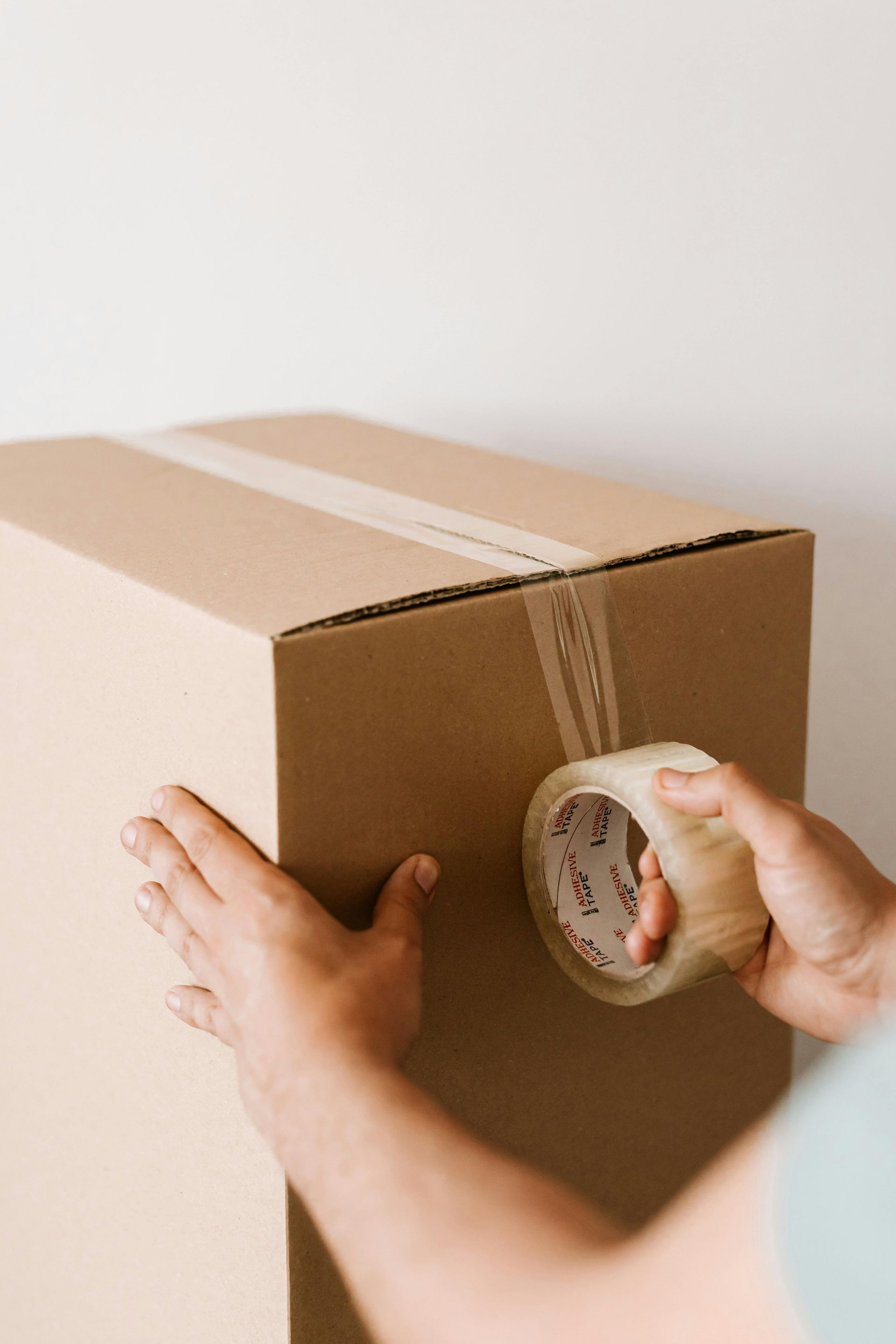
Fill boxes enough to keep their shape without overloading them. Seal them properly and label more than one visible side. Once boxes are stacked, the label you put only on the top may be impossible to see. Keep an inventory outside the unit as well. A simple list of what is stored and roughly where it sits can save you from opening six boxes to find one item.
Take Furniture Apart When It Makes Sense
Furniture can consume a surprising amount of space because much of its footprint is air. Bed frames, tables, shelving, and other pieces designed to be disassembled may take up considerably less room once separated into manageable sections. Follow the manufacturer's instructions and don't dismantle anything that isn't intended to come apart.
Keep screws, bolts, brackets, and other hardware together in a labeled bag. Attach the bag securely to the corresponding furniture piece or place all hardware in a clearly marked container. Don't tape adhesive directly onto a finished surface if it could damage the finish. Long pieces such as table legs or frame rails can sometimes be stored vertically if they're stable and protected from falling. Wrap surfaces that could scratch when placed against other furniture.
Use the Space Inside Furniture
A dresser doesn't need to become an empty rectangular block inside the unit. If its drawers remain installed, they can hold light, appropriate belongings. The same idea applies to sturdy cabinets, shelving, and other furniture with usable interior space. Smaller packed items can go inside larger hollow objects as long as the weight won't damage the furniture and you aren't creating a moisture or ventilation problem.
Avoid turning furniture into an unmarked hiding place, though. Add those contents to your inventory. Otherwise, maximizing space simply creates a harder search later. Appliances need more caution. Don't pack items inside a refrigerator, washer, dryer, or similar appliance unless the manufacturer's storage instructions permit it. Appliances that need ventilation should remain prepared according to those instructions rather than being treated like another empty cabinet.
Build Up, Not Only Out
Once the floor fills, the remaining usable area is above it. Vertical storage is one of the most effective ways to get more capacity from the same footprint, but only if the stacks are stable. Put strong, heavy boxes on the bottom and lighter ones above. Don't build tall stacks from crushed, damaged, or partially filled cartons. Keep weight within the limits of any shelving you're using.
Freestanding shelving can make frequently accessed items easier to organize because you don't have to unstack an entire column every time you need something from the bottom. Use shelving designed for the load you're placing on it, and assemble it according to the manufacturer's instructions. Don't stack items so high that retrieving them becomes unsafe. A little unused space near the ceiling is better than a pile that can shift or fall when you remove one box.
Don't Sacrifice All Access for Capacity
Packing every square foot from wall to door produces impressive density until you need something from the back. If you expect to visit the unit during the rental period, leave a narrow path to the items you're most likely to retrieve. The path doesn't have to divide the entire space if most belongings will remain untouched, but it should reflect how you'll actually use the unit.
Place long-term storage toward the back. Frequently used seasonal belongings, tools, files, or inventory belong closer to the entrance or beside the walkway. If nothing will be retrieved until move-out, tighter packing may make sense. The best layout isn't necessarily the one that holds the most. It's the one that holds what you need without forcing you to unload half the unit during every visit.
Plan the Loading Order Before You Arrive
The order in which belongings enter the unit matters. Large furniture and long-term items should usually go in early because they're difficult to reposition once the front fills with boxes. Frequently needed items should arrive later so they remain accessible.
Sketching a rough floor plan can help when you're storing the contents of several rooms. It doesn't need measurements down to the inch. Mark the major furniture, box zones, and the path you intend to keep open. A little planning also reduces the temptation to drop everything near the door when moving day gets tiring. Once that front section becomes a pile, reaching the rest of the space gets harder.
Leave Fragile Items Out of Load-Bearing Stacks
Efficient packing isn't the same as putting weight on everything that has a flat top. Mirrors, glass, artwork, electronics, and delicate furniture need protection from pressure and shifting loads. Store fragile pieces according to their manufacturer or packaging recommendations rather than using them as structural parts of a stack.
Furniture should also be protected from contact that could scratch, dent, or transfer finish. Moving blankets or other appropriate protective materials can separate pieces without creating rigid pressure points. The goal is to use otherwise wasted space, not squeeze belongings tightly enough to damage them.
Rotate Seasonal Items Instead of Repacking the Unit
For a unit you use throughout the year, organization should account for rotation. Keep the next season's equipment within reach and move recently used items farther back once their season ends. This works particularly well for outdoor gear, lawn equipment, holiday items, and other belongings that cycle in and out rather than remaining stored indefinitely.
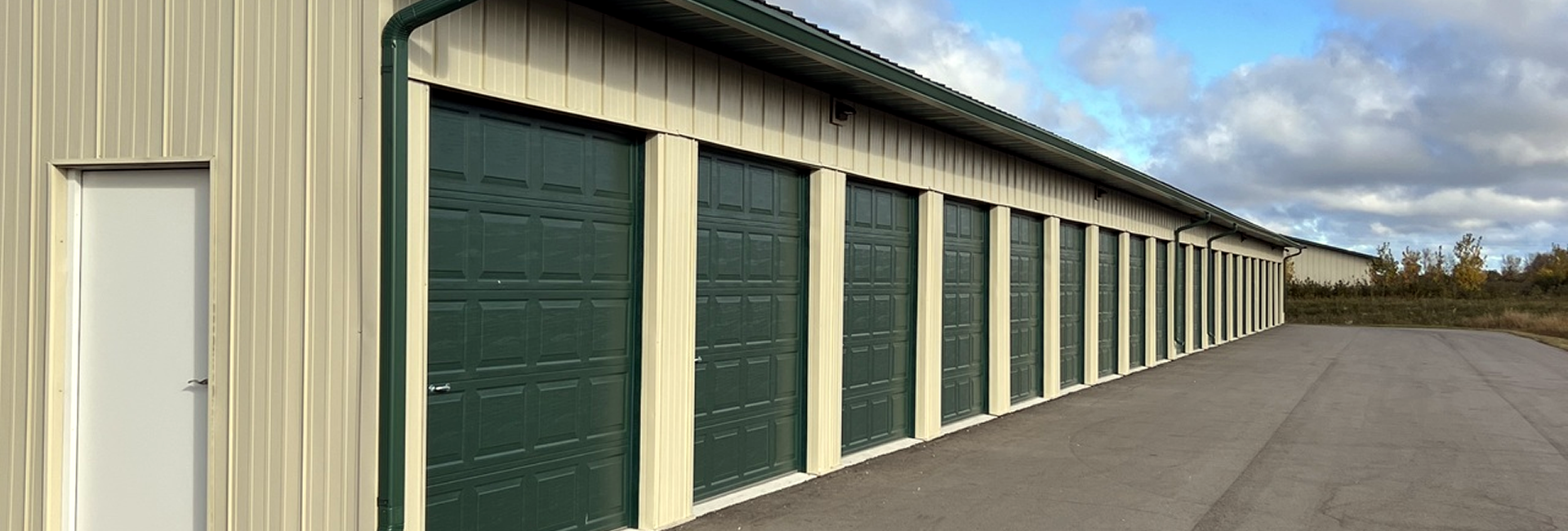
Pleasant Valley Storage provides 24-hour access to units, which is useful for renters who use their space as active storage rather than simply filling it once and returning at move-out. Our properties also offer drive-up units, though specific unit availability varies by location. Our article on why people use storage in rural areas discusses this kind of seasonal rotation for outdoor equipment and household belongings across Wisconsin and North Dakota.
Know When Better Packing Isn't Enough
There is a point where maximizing space turns into overpacking. If safe stacks aren't possible, the walkway has disappeared even though you need regular access, or furniture has to be forced into gaps, a larger unit may be the more practical choice. The same is true when adding new belongings would block the door or make existing items difficult to retrieve safely.
Pleasant Valley Storage has units ranging from 5x10 to 14x60 across our locations. Not every size is offered at every property, so current availability should determine which options you compare. Renting slightly more room can also be reasonable when the unit serves an active purpose, such as rotating business inventory or seasonal equipment. Usable space has value too. Filling a unit to its absolute physical limit isn't necessarily efficient if you have to dismantle the layout every month.
Make the Layout Work for the Way You'll Use It
Getting more from a storage unit comes down to deliberate placement. Use consistent boxes, disassemble appropriate furniture, make use of safe vertical space, and put rarely needed belongings behind the things you'll retrieve. Just as important, don't optimize the unit past the point where it's usable. A stable stack and a practical path are worth more than squeezing one additional carton into an unsafe gap.
If your current belongings still don't fit after you've planned the layout, you can explore
storage options from Pleasant Valley Storage and compare available sizes. Choosing enough room for both your belongings and the way you'll access them is usually more useful than simply choosing the smallest space everything can technically occupy.