Does a Trailer Need Climate-Controlled Storage?
Most trailers don't automatically require climate control. If you're storing a basic utility trailer with a steel frame, simple flooring, tires, and few sensitive components, keeping it protected from direct weather may matter more than maintaining a controlled indoor environment.
The answer changes when the trailer contains electronics, finished living space, plumbing, batteries, or temperature-sensitive cargo. Before paying specifically for trailer storage with climate control, look at what you're storing, what remains inside it, and what kind of protection the trailer itself needs. Our storage options in Wisconsin and North Dakota include larger spaces at select properties, so dimensions and available features are worth checking before choosing a unit.
What Climate Controlled Storage Actually Changes
Climate-controlled storage reduces the environmental extremes belongings experience compared with ordinary outdoor exposure or an unconditioned space. It's most useful when the materials inside the stored item are sensitive to changing temperature or moisture conditions. For a trailer, that distinction is important because the frame itself may not be the most vulnerable part. A cargo trailer can contain power tools and electronics. A travel trailer adds plumbing, appliances, batteries, upholstery, cabinetry, and other interior materials.
That means two trailers of similar dimensions can have very different storage requirements. Decide based on the equipment and materials involved, not simply because both are called trailers.
Utility Trailers Usually Don't Need Climate Control
An empty utility trailer generally doesn't need a climate-controlled unit solely because it's a trailer. Protection from precipitation and long-term exposure can still be useful, especially if you want to limit weathering of the deck, wiring, lights, tires, fasteners, and painted or coated surfaces. Indoor storage puts a roof and walls between the trailer and outdoor conditions. Climate control adds another level of environmental management, which may not provide enough additional benefit for a basic empty trailer to justify choosing it specifically for that reason.
Preparation still matters. Clean mud, road residue, plant material, and other debris from the trailer before putting it away. Let it dry, check the tires and manufacturer's recommended inflation pressure, and inspect exposed wiring, connectors, lights, and the coupler for existing problems. Storage shouldn't become a way of postponing maintenance you already know the trailer needs.
Enclosed Cargo Trailers Need a Closer Look
An enclosed cargo trailer introduces another question: what's staying inside? The shell protects cargo from direct precipitation, but it doesn't automatically create a climate-controlled environment. Equipment left inside can still experience the temperature and moisture conditions that develop within the trailer.
Remove items that shouldn't remain there during long-term storage. Pay particular attention to electronics, liquids, batteries, paperwork, upholstered items, and materials whose manufacturer specifies particular storage conditions. If you're using a cargo trailer for business equipment, take inventory before storing it. Choosing climate control because the contents need it is a much stronger reason than choosing it simply because the equipment happens to be sitting inside a trailer.
Travel Trailers Are More Complicated
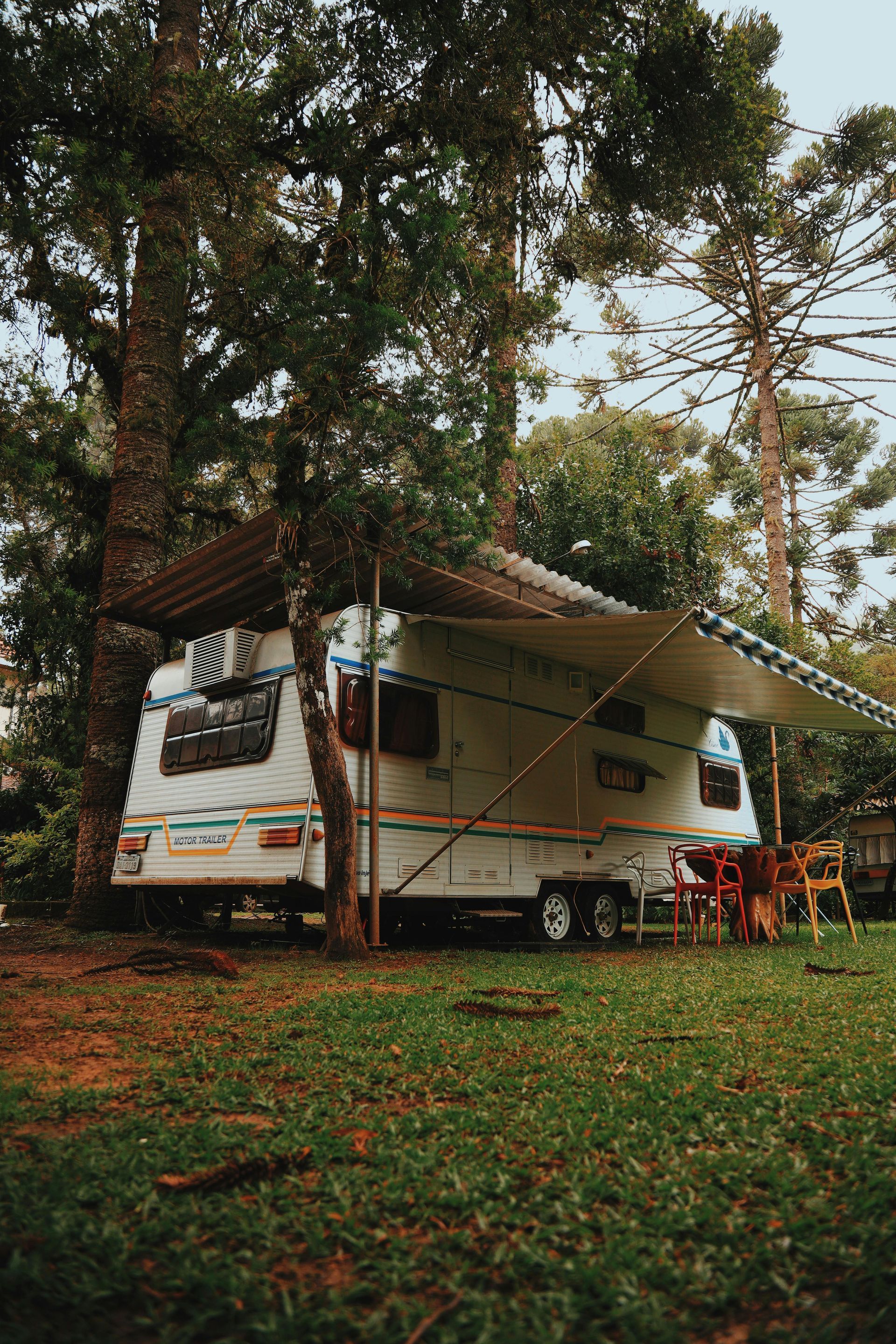
Travel trailers and campers contain systems that an ordinary utility trailer doesn't. Plumbing is the clearest example. Climate-controlled storage should never be used as a substitute for the manufacturer's required winterization procedure. If water remains in plumbing and the storage environment reaches freezing conditions, components can be damaged. Properly winterize the trailer according to the manufacturer's instructions regardless of assumptions about the building where it will be parked.
Batteries also require their own storage and maintenance procedures. Appliances, seals, tires, upholstery, cabinets, and electronics should be prepared according to the relevant manufacturer recommendations rather than treated as protected simply because the trailer is indoors. Our RV storage guide covers many of these preparation issues, including water systems, batteries, tires, pest prevention, moisture, and long-term storage checks.
Indoor Storage and Climate Control Aren't the Same Thing
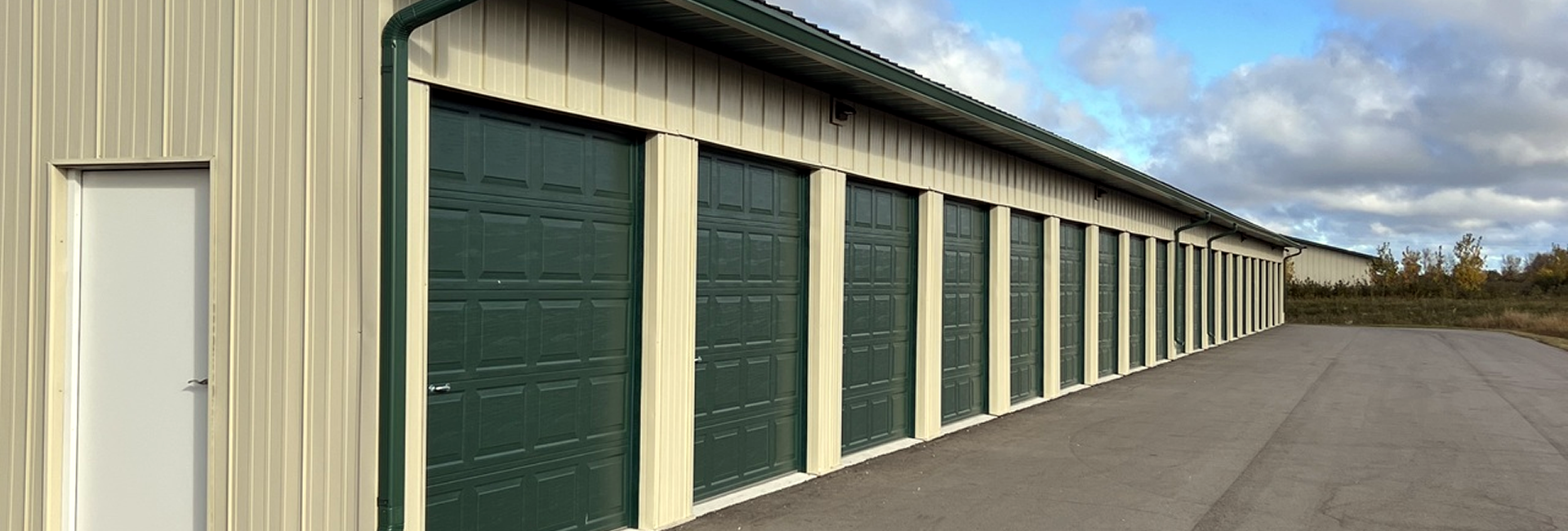
This distinction is easy to miss while comparing spaces. An indoor unit protects a trailer from direct rain, snow, and wind. A climate-controlled unit adds environmental regulation inside the building or unit. Pleasant Valley Storage has units ranging from 5x10 through 14x60 across our Wisconsin and North Dakota locations. Some units offer heat and electricity, and our site also lists climate-controlled units. Those features aren't stated as being available in every size or at every property, so they should be confirmed for the location you're considering.
For many basic trailers, an appropriately sized indoor unit may address the owner's main concern: getting the trailer out of direct weather. For sensitive contents or a more complex recreational trailer, available environmental controls deserve closer consideration.
Measure the Entire Trailer Before Renting
Trailer dimensions on a manufacturer's specification sheet don't always tell you how much floor space you'll need in a unit. Measure the trailer in its actual storage configuration. Include the tongue, hitch assembly, spare tire, rear attachments, ladders, racks, or anything else that remains installed and affects overall length or width. Height matters too, especially with enclosed trailers, rooftop equipment, vents, or air-conditioning units.
Then think about clearance. A trailer that technically matches a unit's floor dimensions still has to pass through the door and be maneuvered into position. Verify the actual unit and door dimensions with the facility rather than assuming a nominal unit size guarantees a fit. Our properties offer drive-up units, which can simplify loading and unloading, but individual availability and dimensions still need to be checked before bringing a trailer to the site.
Don't Ignore Tires During Long-Term Storage
Trailers may travel relatively few miles each year, but their tires still age while parked. Check their condition before storage and follow the tire or trailer manufacturer's instructions for pressure and long-term parking. The parking surface and trailer manufacturer's storage recommendations also matter. If the trailer uses stabilizers, jacks, wheel chocks, or other supports during storage, use equipment rated and intended for that purpose. Don't improvise lifting or supporting methods simply to reduce tire loading. Trailer designs differ, and incorrect support points can damage the frame or create an unsafe setup.
Moisture and Pests Still Matter Indoors
Putting a trailer inside doesn't mean you can store it wet. Clean and dry the interior first. Remove food and anything else likely to attract pests. Check doors, seals, vents, and other openings for damage before storage rather than discovering a leak or gap months later.
For recreational trailers, follow manufacturer guidance about ventilation during storage. The goal isn't to seal existing moisture inside a closed trailer. It's to put the trailer away dry and keep water intrusion from becoming a problem while it sits. Periodic inspection is worthwhile when your storage arrangement permits it. A quick look at tires, signs of moisture, pests, and battery or electrical equipment can catch a small issue before another season passes.
Think About What You're Protecting
The value of indoor or climate-controlled storage isn't limited to the trailer's purchase price. Condition affects how much maintenance you'll face later and how the trailer presents if you eventually sell it. Our article about RV and boat depreciation explains how storage conditions and exposure affect recreational vehicles over time. While a simple utility trailer has far fewer systems than an RV, the same practical principle applies: protecting materials from unnecessary exposure reduces avoidable deterioration. That doesn't mean every trailer belongs in climate control. It means the storage environment should match the materials and equipment you're trying to protect.
Choose the Space Based on the Trailer You Own
An empty utility trailer usually doesn't justify climate control on its own. Indoor storage may be enough if your main goal is reducing exposure to outdoor conditions. An enclosed cargo trailer deserves a closer look at its contents, while a travel trailer requires attention to plumbing, batteries, electronics, interior finishes, and other onboard systems. In those cases, climate control may be useful, but proper winterization and manufacturer-recommended storage procedures still come first.
Because our sizes and features vary by location, trailer owners can explore
storage options from Pleasant Valley Storage and compare current availability with the trailer's full dimensions and the features its contents actually require.